
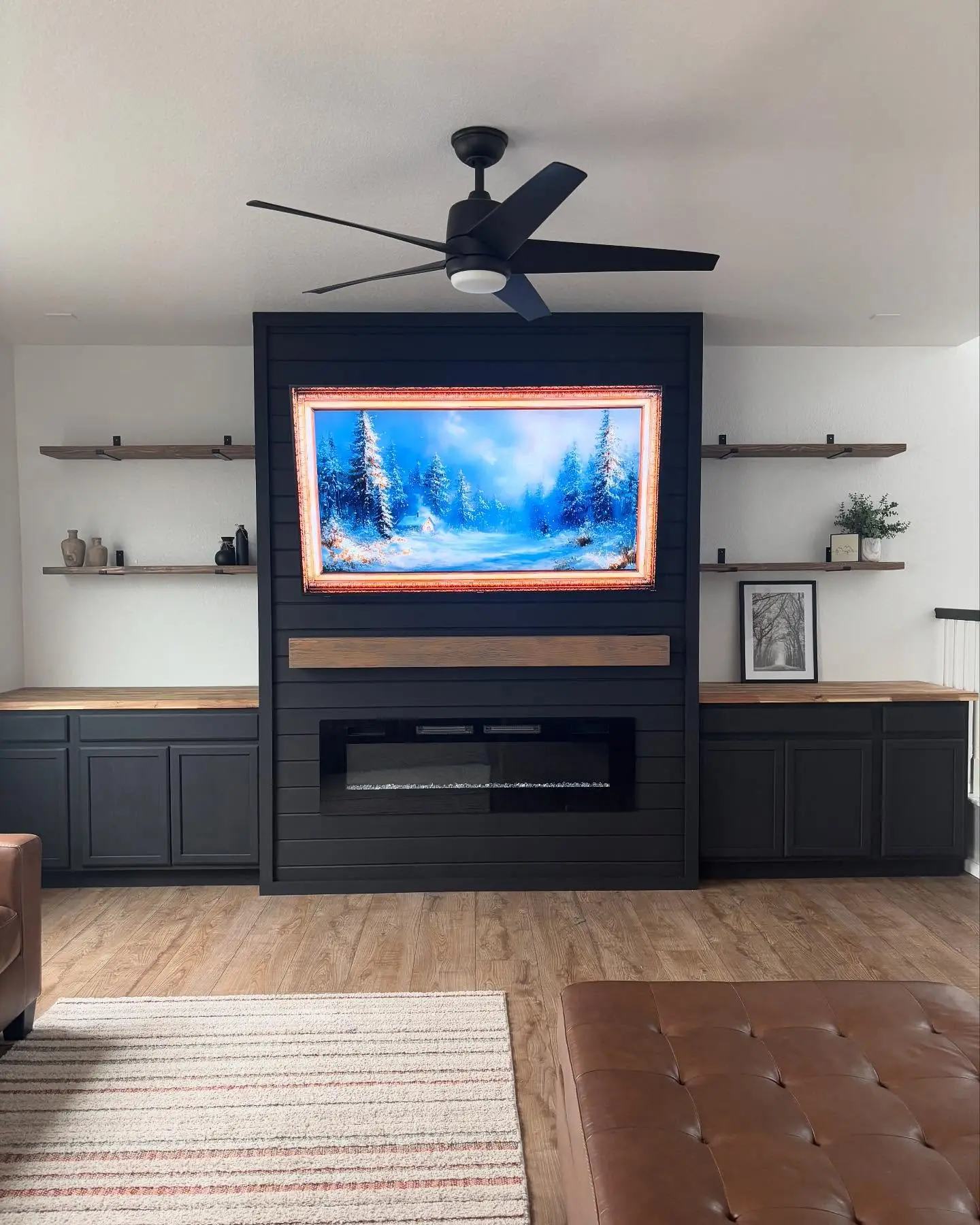
- Fix urgent and protective issues first — leaks, drainage, failing concrete — before cosmetic work.
- On the Front Range, exterior freeze-thaw damage tends to get worse and pricier if ignored.
- Phasing spreads cost and lets you live through the work; bundling overlapping jobs can save on prep.
- Budget in the order the house needs, keep a contingency, and get an on-site estimate before each phase.
Urgent vs cosmetic: sort the list
Before you rank anything by how much you want it, rank it by how much it's costing you. Split your list into two buckets. Urgent is anything actively causing damage or risk: an active leak, water pooling against the foundation, cracked and heaving concrete, a soft subfloor, an electrical worry. Cosmetic is everything that bugs you but isn't hurting the house: dated finishes, tired paint, flooring you've outgrown.
Urgent work goes first, every time. A dated bathroom will look exactly as dated next spring; a slow leak will not wait patiently. Fixing the protective items first also keeps you from tearing out a beautiful new finish a year later to chase a problem you could have handled now.
Interior vs exterior on the Front Range
South Denver's climate pushes some exterior work up the list. Our frequent freeze-thaw cycles are hard on concrete and hardscape — water gets into small cracks, freezes, expands, and makes them bigger. Expansive clay soils add movement under slabs and footings. So failing exterior concrete, drainage that dumps water toward the house, and a fence that's leaning are often better addressed sooner than later, because they compound.
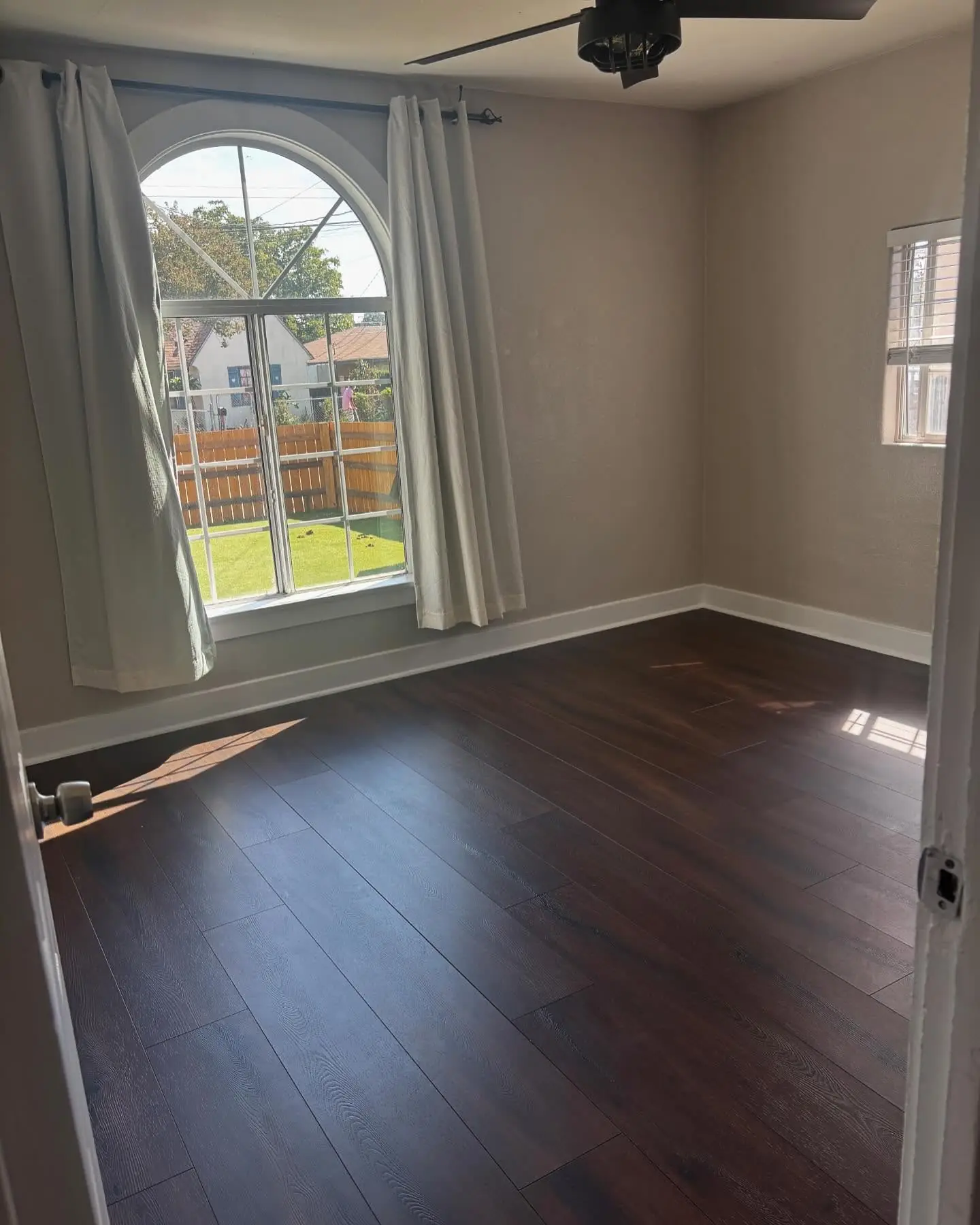
Interior cosmetic work, by contrast, is patient. New LVP flooring, a bathroom remodel, or fresh paint can wait a season without penalty. One nuance: interior work runs year-round here, while the best window for concrete and outdoor pours is roughly spring through fall, when you can avoid freezing temperatures. That seasonality is worth building into your plan — more on the timing in our best-time-for-outdoor-projects guide.
Phasing vs doing it all at once
There's no single right answer here — it depends on your budget and how connected the projects are.
Bundling makes sense when projects overlap. If you're already opening a wall, running new electrical, or mobilizing a crew and dumpster, adding related work to that same push can save on shared prep and setup. Doing flooring throughout the same level at once, for instance, usually beats doing it room by room.
Phasing makes sense when you want to spread cost, live through the work more comfortably, or keep the flexibility to adjust as you go. Many south Denver homeowners phase deliberately — protective exterior work one season, a basement the next, then the kitchen or baths — so no single year absorbs the whole budget. A good contractor will map both paths and show you where bundling actually saves money versus where it just front-loads the spend.
Budgeting in the right order
Fund the work in the order the house needs it, not the order you're most excited about. A sensible sequence for most homes looks like this:
| Priority | Typical work | General range |
|---|---|---|
| 1. Protective / urgent | Drainage fixes, failing concrete, leaks | Varies — get an estimate |
| 2. Livable square footage | Basement finishing (~$30–$55/sq ft; often $25k–$60k) | $25,000–$60,000 |
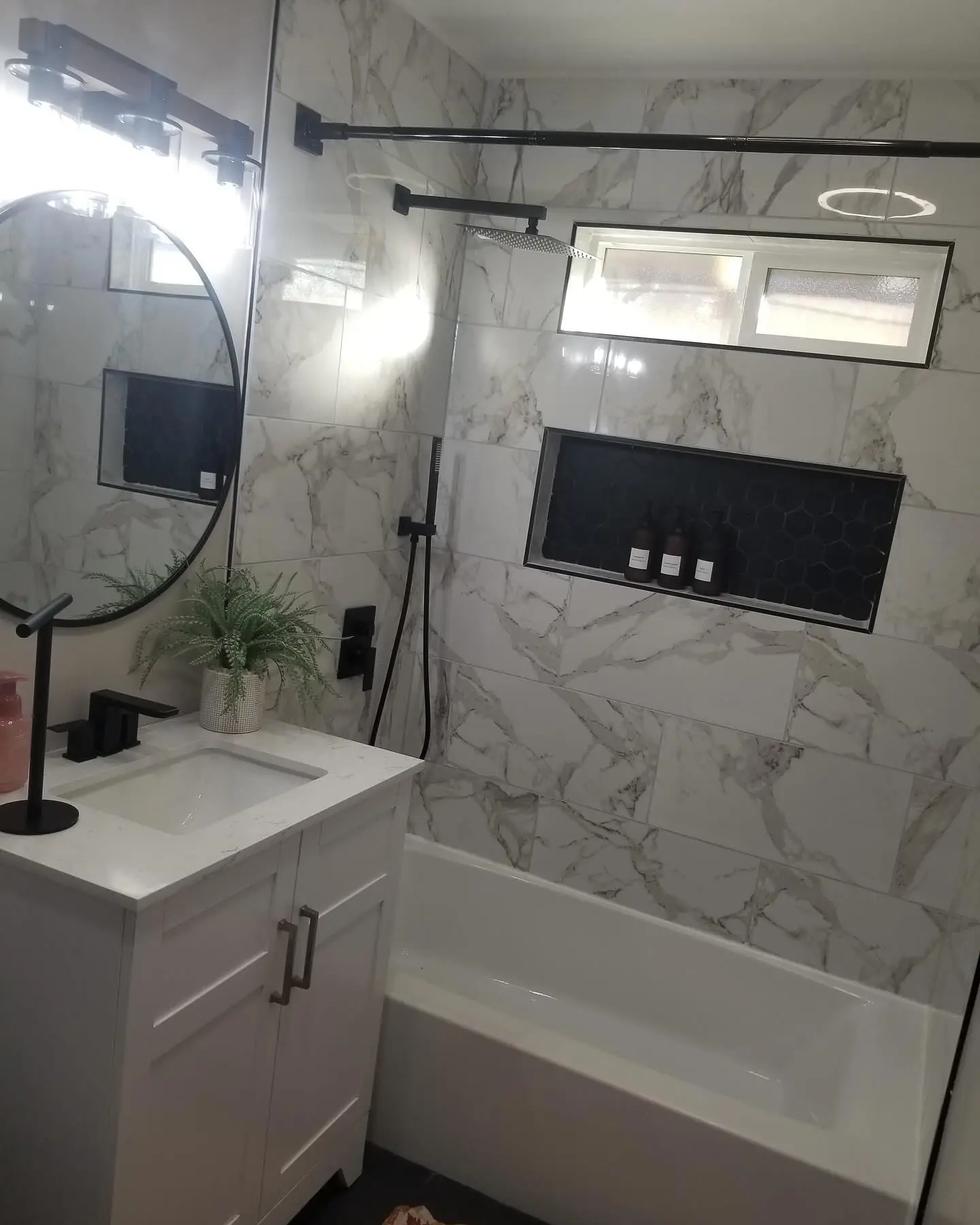
| 3. High-use rooms | Bathroom remodel ($12k–$25k full mid-range) | $5,000–$25,000+ |
| 4. Cosmetic refresh | LVP flooring (~$4–$9/sq ft), paint, trim | Scope-dependent |
These are general planning ranges, not quotes — the real numbers depend on your home. Whatever the order, keep a contingency for surprises found during demo (older homes always have a few), and get an on-site estimate before you commit to a phase. Our home remodel cost guide breaks the ranges down further.
Choosing the first project
If nothing on your list is truly urgent, pick the first project by return on daily life. Finishing a basement you're already heating adds real, usable square footage and is often the best value per dollar. A tired primary bathroom you use every morning may earn its place ahead of a guest room you rarely enter. The goal is momentum: finish one project cleanly, learn how you like working with your contractor, and let that inform the next phase.
The south Denver context
South Denver metro — Parker, Centennial, Lone Tree, Highlands Ranch, Englewood, and the surrounding communities — shares a few realities worth planning around. Many neighborhoods have HOAs with architectural review, so exterior projects like fences, patios, and privacy walls often need approval before work starts. Douglas County is a high-radon area, so basement finishing should include radon testing and, if needed, mitigation. And hard water is common across the south metro, which is worth keeping in mind for any project involving glass or fixtures. A contractor who works here regularly builds these into the plan instead of discovering them mid-project. If a private-yard or fence project is on your list, our post on privacy walls and fence upgrades in south Denver is a good starting point.
Sorting out where to start in south Denver?
Mountain Ridge Renovations LLC helps south Denver homeowners prioritize and phase their projects — interior remodels, basements, concrete, fences, and flooring. We'll map the sensible order and give you honest planning ranges.
Schedule a Free EstimateRenovation planning FAQs
How do I decide which home renovation to do first?
Start with anything urgent — active leaks, failing concrete, water intrusion, or safety issues — before cosmetic work. After that, favor projects that protect the house or unlock the most daily use, like finishing a basement you already heat. Doing the structural and system work first means you aren't tearing out finishes you just paid for.
Is it cheaper to renovate everything at once or in phases?
Doing related work together can save on mobilization and shared prep, so bundling makes sense when projects overlap. But phasing lets you spread cost, live through the work more comfortably, and adjust as you go. The right call depends on your budget and how connected the projects are — a good contractor will map both paths for you.
Should I prioritize interior or exterior projects?
Prioritize whatever is actively costing you money or risking damage, indoors or out. On the Front Range that often means exterior concrete, drainage, and freeze-thaw damage first, since those get worse and pricier if ignored. Purely cosmetic interior updates can usually wait without penalty.
How should I budget across several renovation projects?
Budget in the order the house needs, not the order you're most excited about. Fund urgent and protective work first, keep a contingency for surprises found during demo, and use general planning ranges to sequence projects. Get an on-site estimate before committing to a phase so the numbers reflect your actual home.