- Installed LVP generally runs $4–$9 per square foot, depending on plank quality and prep.
- The subfloor prep — clean, dry, and flat — is the single biggest factor in a good result.
- Transitions and stairs are detail work that separates a pro install from a DIY look.
- LVP suits Colorado's dry climate well when planks acclimate and keep an expansion gap.
Why LVP is so popular
Luxury vinyl plank earned its spot near the top of nearly every flooring request we get, and the reasons are practical. It's waterproof or highly water-resistant, so it works in kitchens, bathrooms, basements, and mudrooms where real wood would struggle. It's durable against scratches, dents, and pet claws. It's warmer and quieter underfoot than tile, and it installs faster than hardwood or tile with less mess.
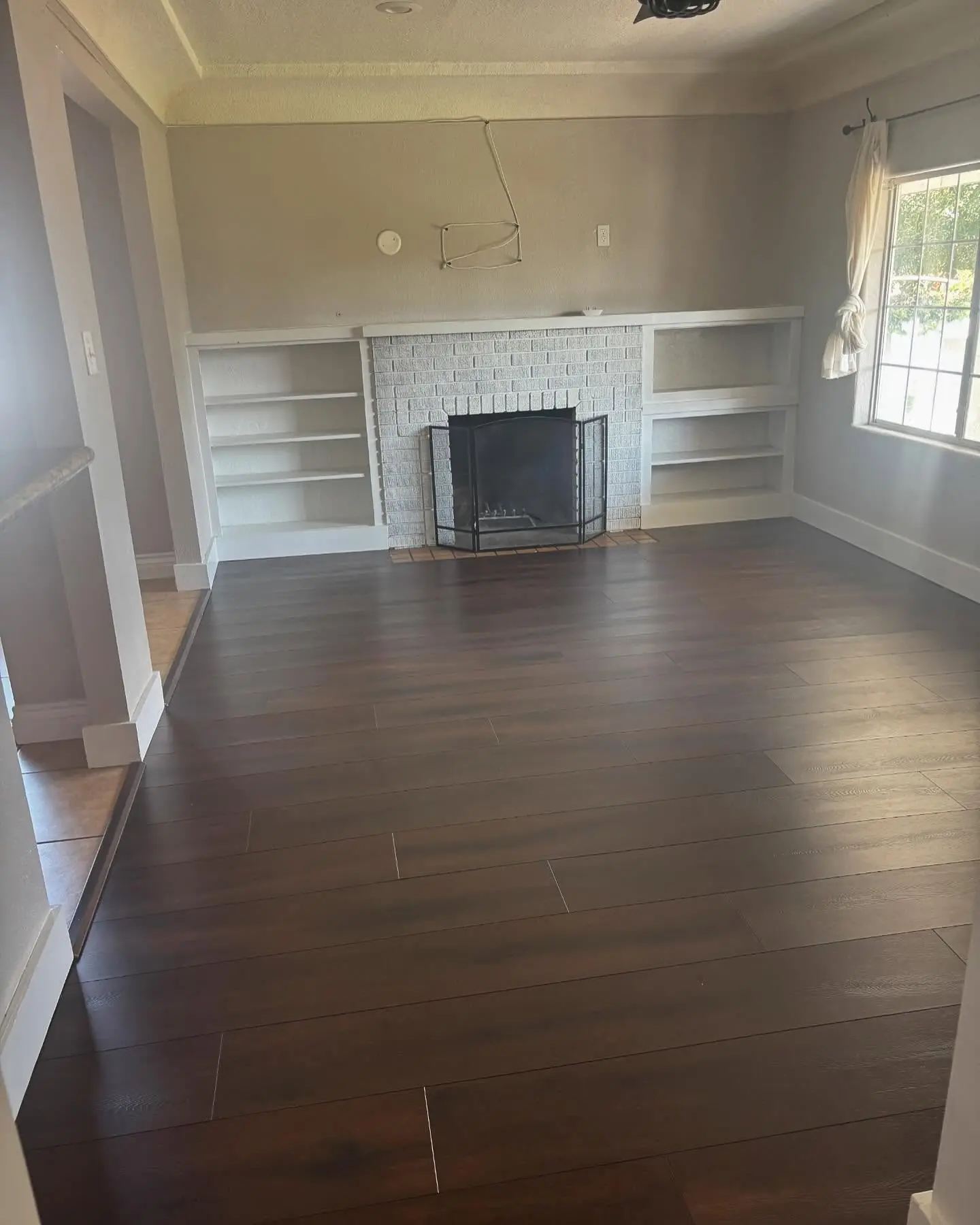
It also just looks good. Modern LVP prints and textures read convincingly as wood, and running one consistent floor through the main level makes a home feel bigger and more cohesive. For open floor plans common in Parker and south Denver builds, that continuity matters.
Floor prep and the subfloor
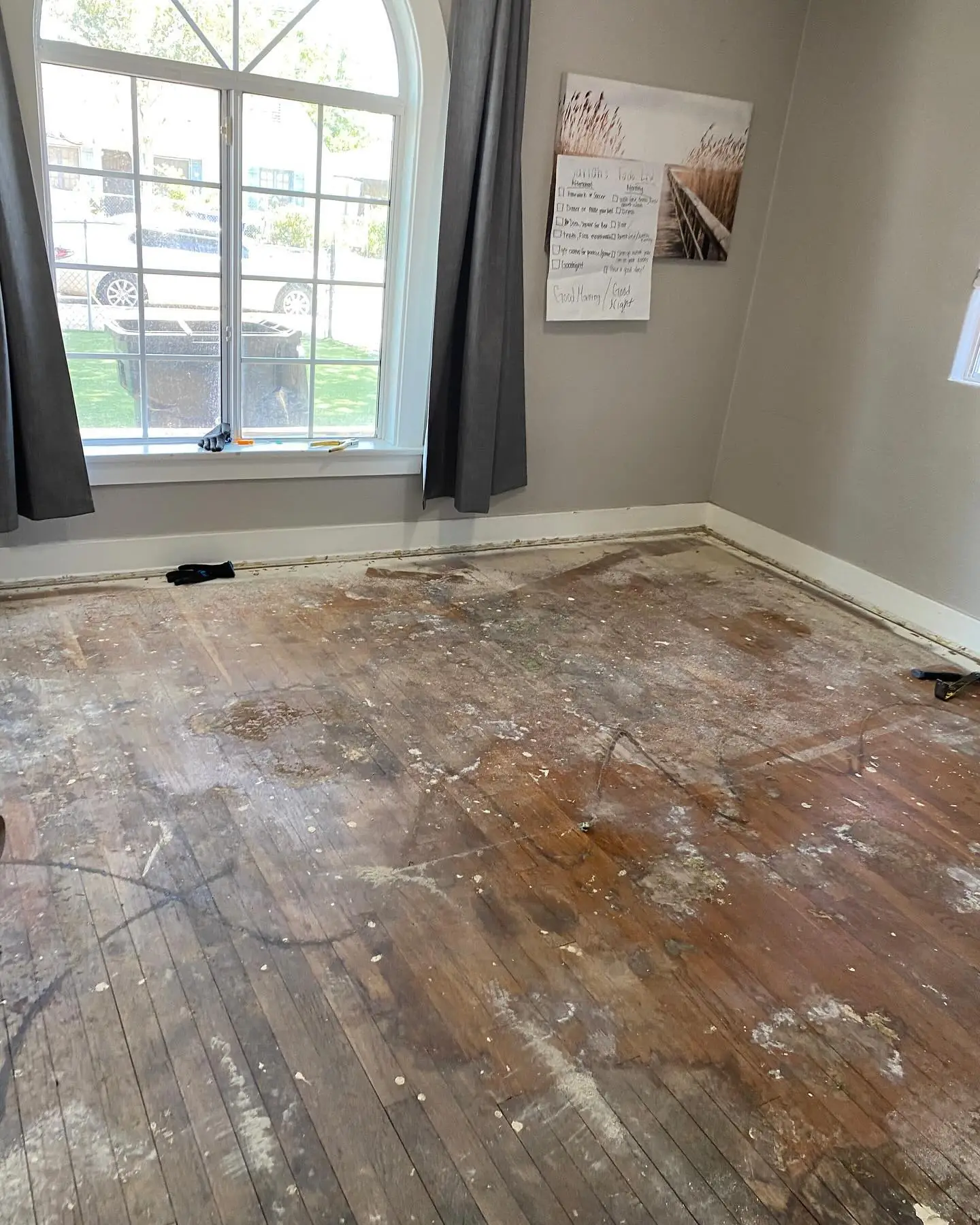
Here's the part most homeowners never see and every good installer obsesses over: the subfloor. LVP is thin and flexible, so it doesn't hide flaws — it copies them. If the subfloor has a hump, you'll feel it. If there's a low spot, the floor can flex and click there. If there's leftover adhesive, staples, or debris, it telegraphs straight through.
A proper install starts by removing the old flooring, then getting the subfloor clean, dry, and flat. Low spots get filled with leveling compound; high spots get ground down. On concrete slabs — common on Front Range main floors and basements — we check for flatness and moisture before anything goes down. This step is unglamorous and it's exactly where cutting corners shows up as a floor that feels cheap.
Underlayment and moisture
Some LVP comes with an attached pad; some needs a separate underlayment. Getting this right affects how the floor feels and sounds, and it can add a moisture barrier over concrete. Over a slab, a vapor barrier is often the difference between a floor that lasts and one that has problems, so we match the underlayment to the product and the substrate rather than defaulting to whatever's cheapest.
In below-grade spaces like basements, moisture management matters even more. LVP's waterproof core is a big advantage there, but the assembly under it still has to be right.
Transitions, stairs, and clean edges
The parts of a floor that make it read as "professionally done" are almost always the edges and transitions. Where LVP meets tile, carpet, or a doorway, a properly fitted transition strip keeps the change clean and protects the plank edges. Sloppy transitions are the first thing that gives away a rushed job.
Stairs are their own skill. Treads and risers are usually glued down rather than floated, and matching stair-nose pieces create a safe, finished edge. Stairs are labor-heavy, which is why they're always priced separately from a flat run.
Consistent plank layout — thinking through where seams land, staggering joints, and planning the direction of the run — is what makes a floor look intentional. It's the same care we bring to a kitchen update or a basement finish, where flooring ties the whole room together.
The Colorado dry-climate note
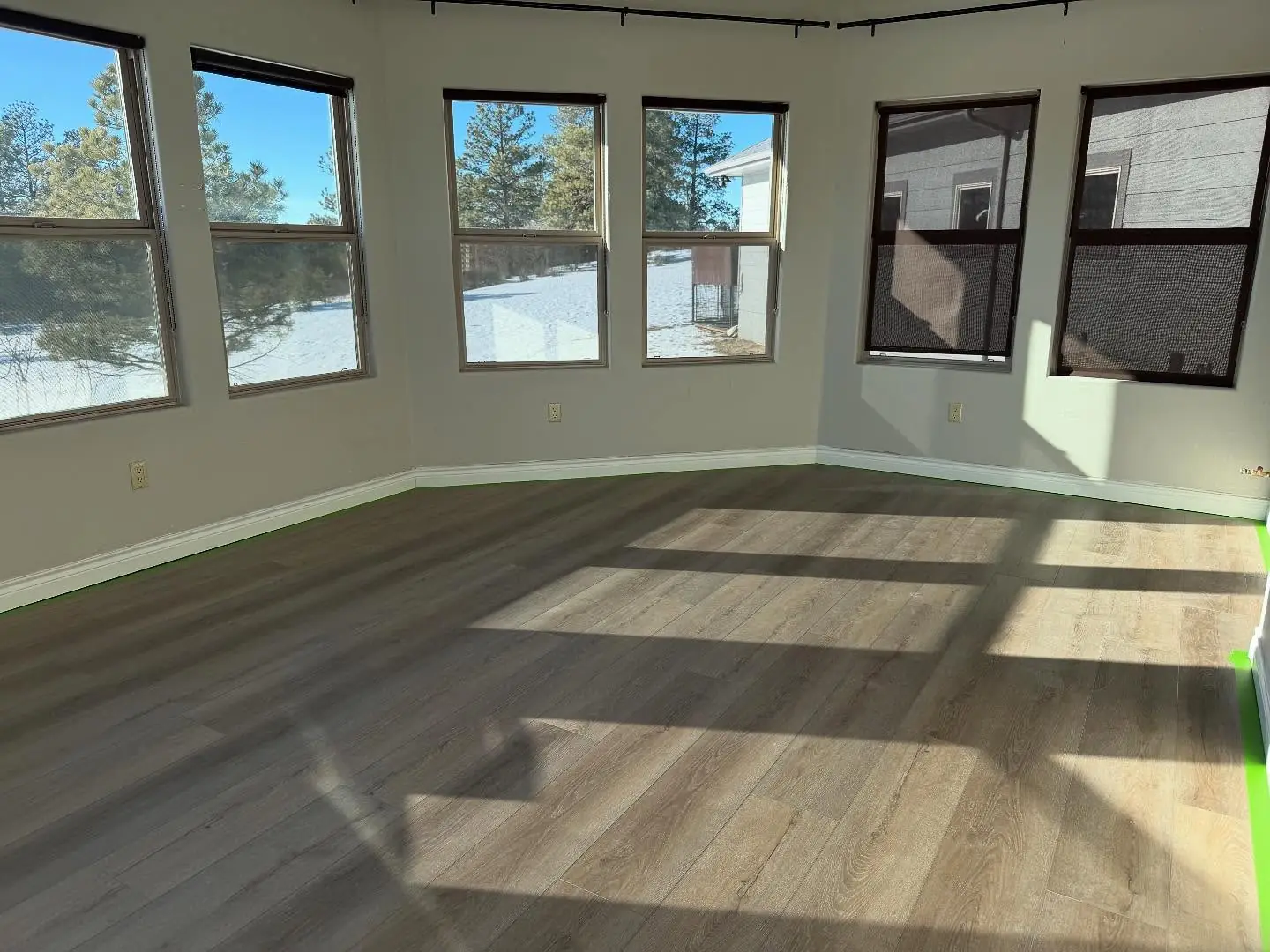
Our low humidity and big temperature swings are gentle on LVP compared with solid hardwood, which is one more reason it's popular here. Quality LVP is dimensionally stable, but two habits still matter: let the planks acclimate in the room for the manufacturer's recommended time before installing, and leave the specified expansion gap at the walls so the floor can move with seasonal changes without buckling. Skip those and even a good product can telegraph gaps or lift at the edges.
What LVP costs to install
Here's an honest planning range for the Parker and south Denver market. This is a general figure, not a quote — the accurate number comes from an on-site look at your subfloor and layout.
| Line item | Typical range | What drives it |
|---|---|---|
| Installed LVP (materials + labor) | $4–$9 per sq ft | Plank quality, room size, layout complexity |
| Old flooring removal & floor leveling | Added as needed | Existing floor type, subfloor condition, low/high spots |
| Stairs & transitions | Priced separately | Number of stairs, stair-nose material, transition count |
If you're flooring a whole level, see how it fits a larger budget in our Parker home remodel cost guide, or read more on our home remodeling service page.
Planning LVP flooring in Parker or South Denver?
Mountain Ridge Renovations LLC installs luxury vinyl plank with proper subfloor prep, clean transitions, and stair work — for kitchens, basements, and whole main levels across the south metro.
Schedule a Free EstimateLVP flooring FAQs
How much does LVP flooring cost to install in Parker or South Denver?
Installed LVP flooring generally runs about $4–$9 per square foot, depending on the plank quality, how much subfloor prep is needed, stairs, and transitions. That range is a general planning figure — removal of old flooring and floor leveling can add to it, so an on-site estimate is the accurate number.
Do I need to prep the subfloor before installing LVP?
Yes. LVP is thin and flexible, so it telegraphs whatever is underneath it. The subfloor has to be clean, dry, and flat — low spots filled and high spots ground down — or you'll feel dips and hear hollow spots later. Good prep is the single biggest factor in whether an LVP floor looks and feels like a quality install.
Is LVP a good choice for Colorado's dry climate?
It's a strong choice. Quality LVP is dimensionally stable and handles the temperature swings and low humidity of the Front Range well, and waterproof cores shrug off spills. Letting the planks acclimate in the room before installation and leaving the manufacturer's expansion gap at the walls keeps the floor tight over the seasons.
Can LVP be installed on stairs?
Yes, LVP works on stairs, but stairs are detail-heavy work. Treads and risers are usually glued down rather than floated, and matching stair-nose pieces give a clean, safe edge. Stairs add labor compared with a flat run, which is why they're priced separately from the main floor area.