- Ask about insurance, permits, who's on site, references, and a written scope — for every contractor you consider.
- A reputable contractor carries liability insurance and pulls required permits; confirm licensing needs with the relevant town or county.
- Many neighborhoods here have HOAs with architectural review — exterior projects often need approval, separate from a building permit.
- A written estimate with a clear scope is your best protection against surprises.
Questions to ask before you hire
You don't need a long interview to separate a solid contractor from a risky one. A handful of direct questions does most of the work, and how someone answers tells you as much as what they say:
- Are you insured, and can you show proof?
- Will you pull the permits this project needs, and schedule the inspections?
- Who is actually on site — your crew or subcontractors?
- Can I see photos and references from a similar recent job nearby?
- What's your written scope, and how are change orders handled?
- What's a realistic timeline, including material lead times?
A contractor who answers these plainly is showing you how the whole project will go. Dodged questions early tend to become dodged phone calls later.
Licensing, insurance & permits
A reputable renovation contractor should carry liability insurance and be able to show proof — this protects your property and you if something goes wrong on site. Don't take it on faith; ask to see it.
Licensing is where people get tripped up, because it isn't one simple rule. Requirements vary by trade and by jurisdiction across the south metro — what applies to electrical or plumbing work differs from general remodeling, and the Town of Parker, Douglas County, and each city's building division set their own expectations. Rather than assume, confirm what your specific project requires with the relevant authority. On permits, the rule of thumb is that cosmetic like-for-like work often doesn't need one, while moving plumbing or electrical, structural changes, decks, and many concrete or fence projects typically do. We cover this in detail in our Parker remodel permit guide. A good contractor pulls the permit and handles inspections as part of the job.
Written estimates & communication
Insist on a written estimate with a clear scope. It should list what's included, what isn't, and how changes are priced. A number given verbally or sight-unseen tends to shift once demo starts and reality shows up. The written scope is your reference point if a question comes up mid-project.
Communication matters just as much as the number. Who is your point of contact? How quickly do they respond? Do they explain trade-offs honestly, or just tell you what you want to hear? Across four communities with different permitting and HOA steps, you want someone who keeps you informed at each stage rather than going quiet between demo and reveal.
References & real photos
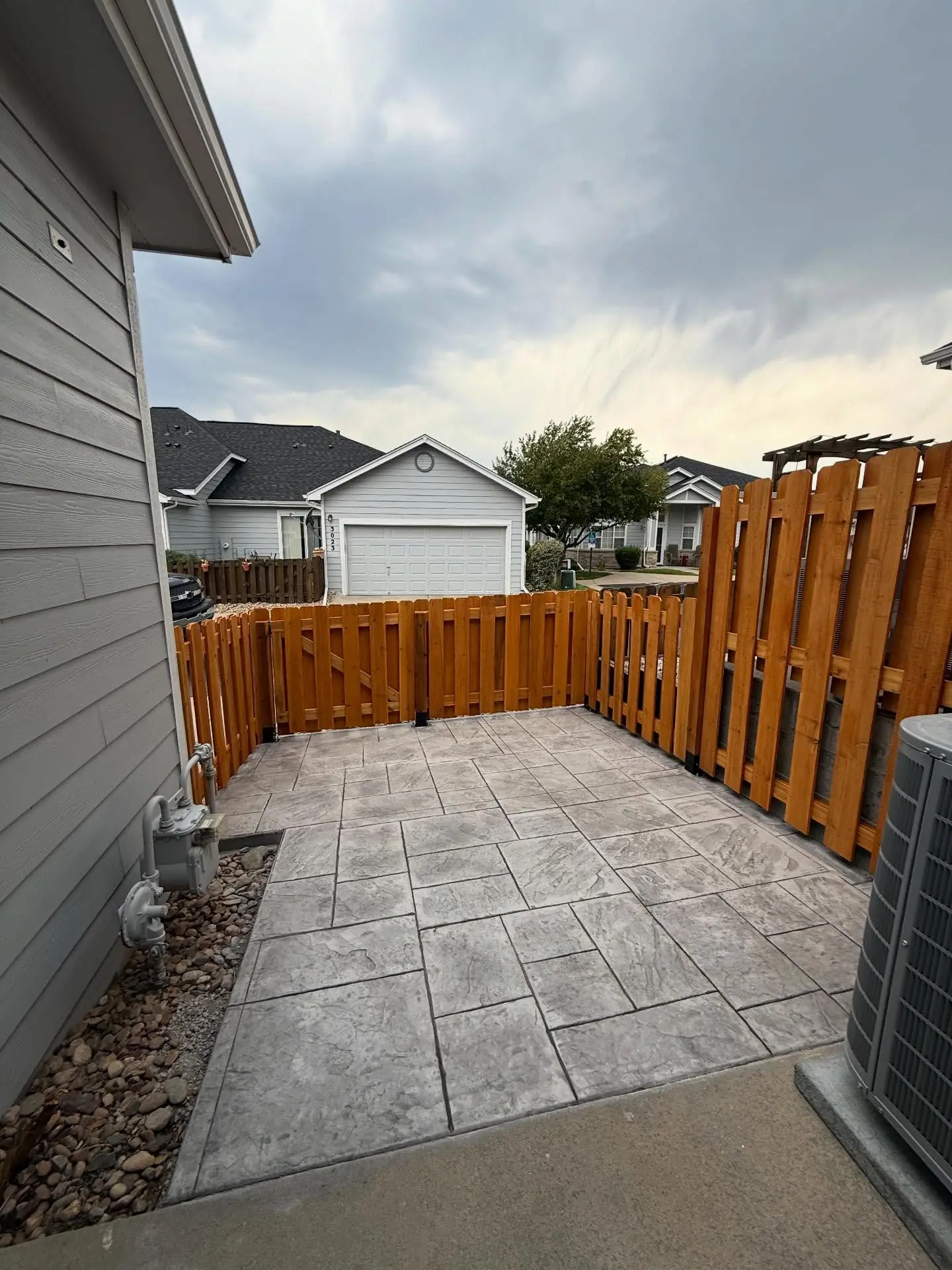
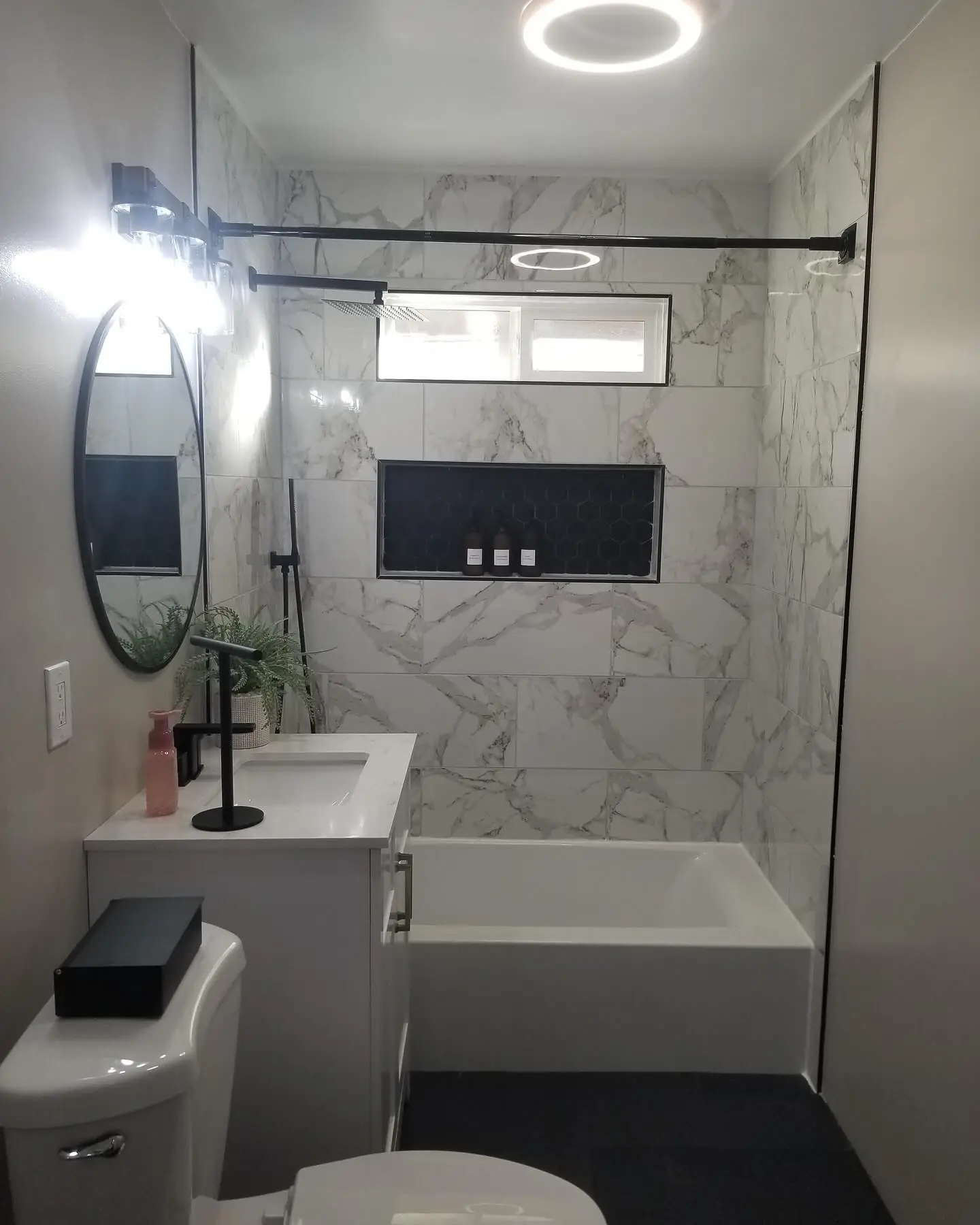
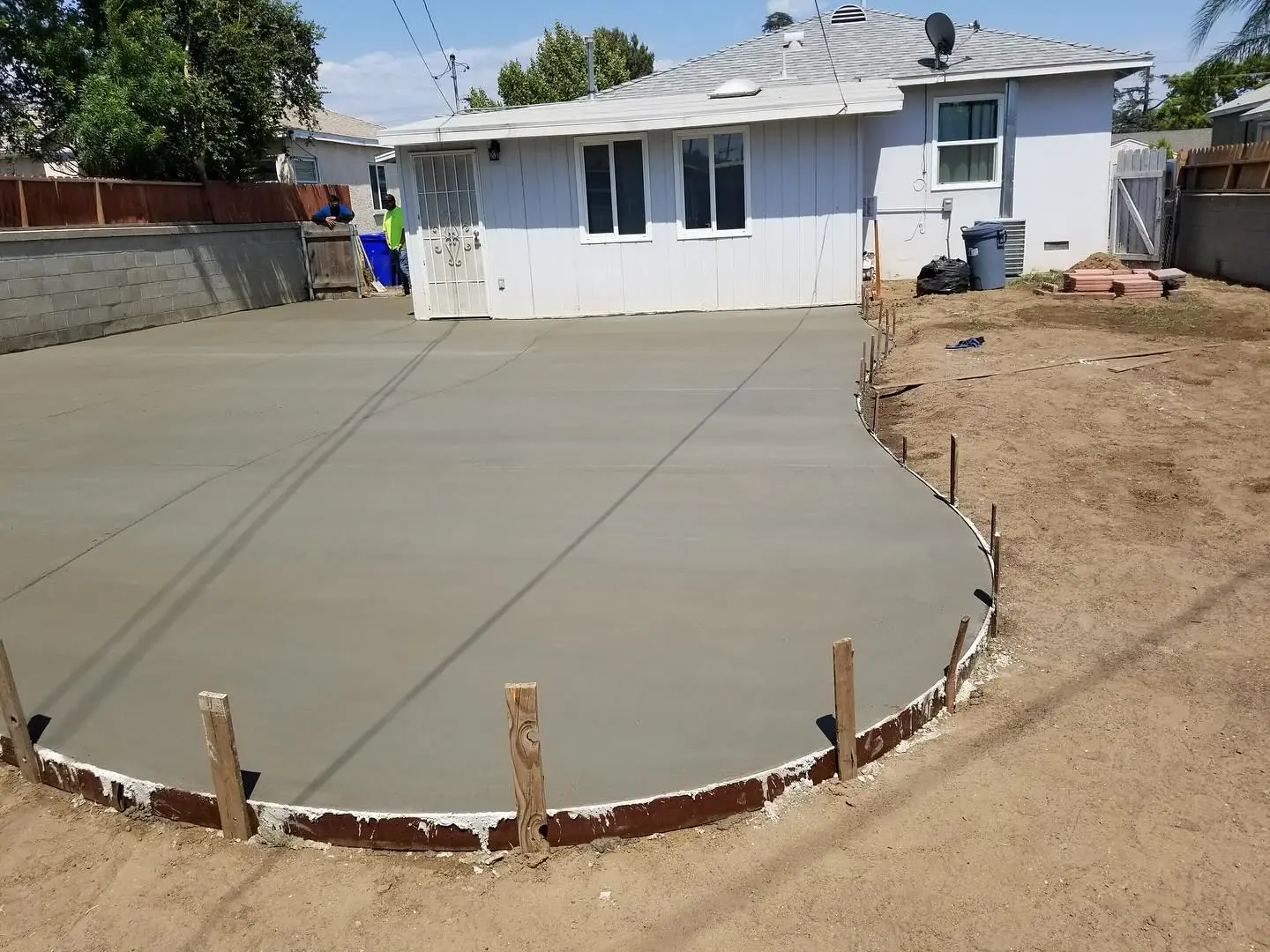
Ask to see photos of recent projects in or near your community — not stock images. Real work in real homes tells you what the finish actually looks like and whether they've done your kind of project before. If a contractor can point you to past clients willing to talk, that's even better. Look for a range of work too: interior home remodeling, basement finishing, and exterior concrete or fence work each takes different skills, and a portfolio shows where their strengths are.
HOA-heavy neighborhoods
This part of the south metro has a lot of HOAs, and it changes how exterior projects start. Many neighborhoods have an architectural control committee (ACC) that reviews changes visible from outside — fences, patios, artificial turf, privacy walls, even paint colors in some communities.
Two things to remember. First, HOA approval is separate from a town or county building permit — you may need both, and getting one doesn't cover the other. Second, HOA review takes time, so it's worth submitting early. Interior work like a bathroom or basement generally doesn't need HOA sign-off, but confirm before you start if the project touches anything exterior, like a new vent penetration or window. A contractor who works across these communities will flag the HOA step up front instead of hitting it as a surprise.
| Building permit | HOA / ACC approval | |
|---|---|---|
| Who issues it | Town of Parker, Douglas County, or your city | Your neighborhood HOA committee |
| What it covers | Code, safety, structural, systems | Appearance and neighborhood standards |
| Typical exterior triggers | Decks, structural, plumbing/electrical, some concrete | Fences, patios, turf, privacy walls, colors |
| Note | Confirm with the building division | Confirm with your HOA — one does not replace the other |
A note on each community
The four areas share a lot but aren't interchangeable. Parker mixes established neighborhoods with newer subdivisions, many under active HOAs. Centennial spans a wide range of home ages, so scope and prep can vary house to house. Lone Tree leans toward newer, HOA-governed communities where ACC review is common on exterior work. Castle Rock stretches across a lot of terrain and soil conditions, which matters for concrete and footings. A contractor who works across all four adjusts to each rather than running one playbook everywhere. You can read more on each on our service-area pages: Parker, Castle Rock, Centennial, and Lone Tree.
Hiring across Parker, Centennial, Lone Tree, or Castle Rock?
Mountain Ridge Renovations LLC works throughout the south metro — interior remodels, basements, concrete, fences, and flooring. Insured, permit-savvy, and used to the HOA steps in these communities. Clear scope, honest estimates.
Schedule a Free EstimateHiring a renovation contractor: FAQs
What should I ask a renovation contractor before hiring them?
Ask whether they carry liability insurance and can show proof, whether they will pull the permits your project needs, who is actually on site, and whether they can show photos and references from similar recent jobs nearby. Ask for a written estimate with a clear scope and how change orders are handled. Direct answers to these questions are a good sign.
Should a renovation contractor be licensed and insured?
A reputable contractor should carry liability insurance and be able to show proof, and should pull any required permits with the relevant town or county. Licensing requirements vary by trade and jurisdiction across the south metro, so confirm what applies to your specific project with the Town of Parker, Douglas County, or your city's building division.
Do I need HOA approval for a renovation in these communities?
Many Parker, Centennial, Lone Tree, and Castle Rock neighborhoods have HOAs with architectural (ACC) review. Interior work usually doesn't need HOA approval, but exterior projects like fences, patios, turf, and privacy walls often do — and HOA approval is separate from a town or county building permit. Confirm both before starting.
Why does a written estimate matter so much?
A written estimate defines the scope, lists what is and isn't included, and sets how changes are handled, which is your best protection against surprises. A number given verbally or sight-unseen tends to shift once work begins. Insist on it in writing before committing.