
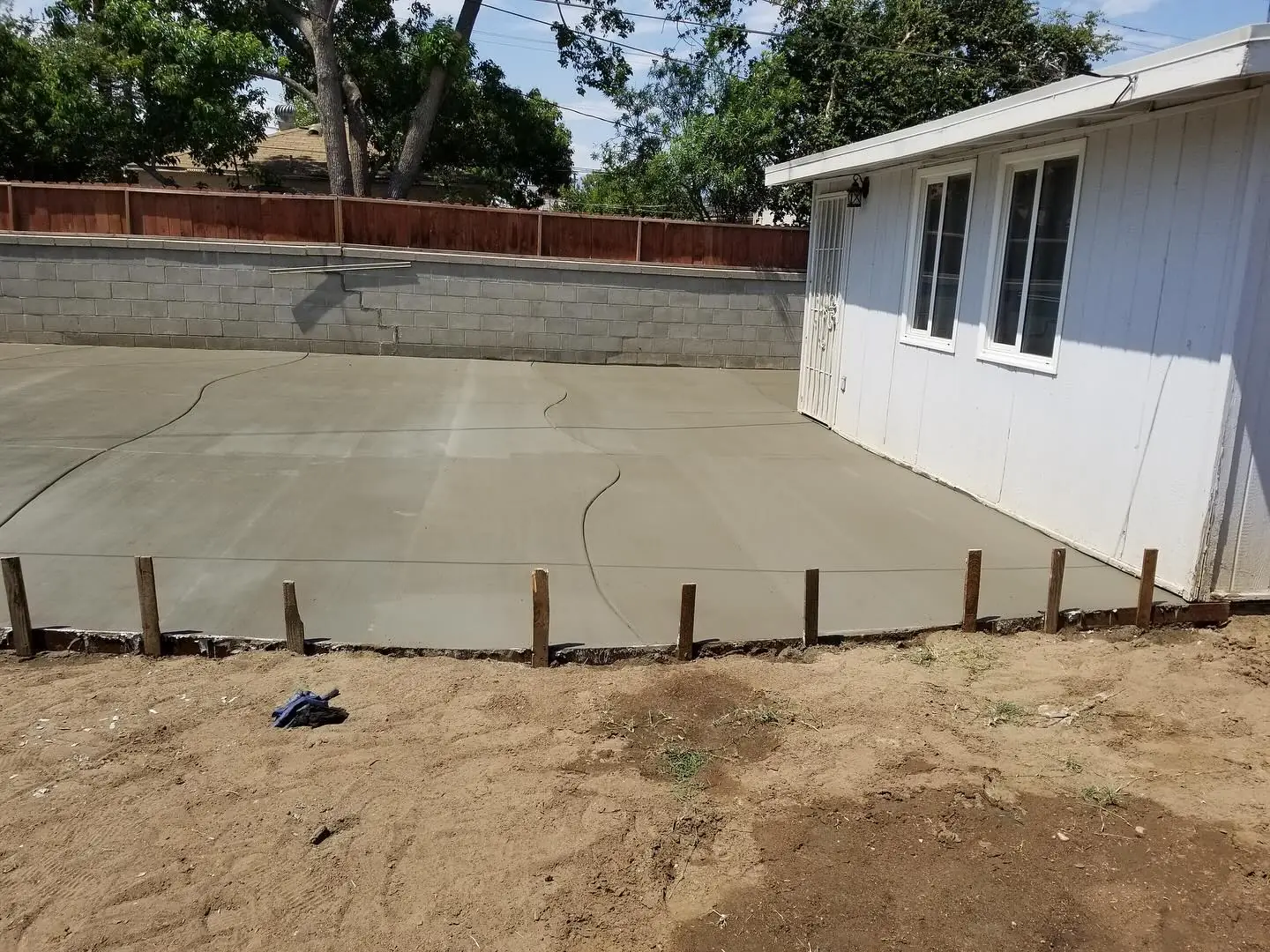
- The reliable concrete window on the Front Range is roughly May through September — overnight lows above freezing.
- Fences and turf stretch a bit wider, into spring and fall, as long as the ground isn't frozen hard.
- Winter pours are possible with cold-weather protection, but they add cost and risk — usually worth avoiding.
- Book in late winter/early spring. The season is short, it fills fast, and HOA approval takes lead time.
Why timing matters more in Colorado
Concrete cures through a chemical reaction that's sensitive to temperature. Too cold, and it cures too slowly or — worse — freezes before it gains strength, which permanently weakens the slab. Too hot and dry, and our high-altitude sun pulls moisture out of the surface faster than the concrete can use it, leaving it weaker and prone to cracking. The Front Range serves up both extremes, sometimes in the same week, so the calendar genuinely matters.
Fences and turf are less temperature-critical than a pour, but they still depend on workable, unfrozen ground for post holes and base grading. So while the "outdoor season" isn't identical for every project, they all share the same short prime window — and they all compete for it.
Season by season
Spring (March–May)
The season kicks off as the ground thaws. Early spring can still bring hard overnight freezes and mud, so pours may wait for a stable stretch, but late spring is prime time. This is also when the smart booking happens — crews' calendars for the whole season fill up now. Great for fences, turf grading, and getting a patio scheduled.
Summer (June–August)
The busiest stretch and a fine time to build, with one caveat: heat and dry air demand disciplined curing. We pour earlier in the day, keep slabs damp or use curing compound, and watch the forecast. Everything else — fences, turf, privacy walls — runs full speed. Because it's peak demand, this is when lead times are longest.
Fall (September–November)
Often the best-kept secret of the season. Moderate temperatures are ideal for curing concrete and comfortable for install crews, and demand eases off the summer peak. The main watch item is early cold snaps — we keep an eye on the forecast so a pour finishes and cures before a freeze. Excellent for fences and turf right up until the ground freezes hard.
Winter (December–February)
The off-season for pours. Concrete can be placed with heated blankets, insulated forms, and mix adjustments, but that adds cost and risk, so we usually steer homeowners to spring instead. Winter is best spent planning: this is the ideal time to get on the calendar and, if needed, work through HOA approval so you're ready to build the moment the season opens.
Best seasons at a glance
A quick reference for the Parker and south Denver area. Windows shift year to year with the weather, so treat this as a planning guide.
| Project | Best window | Notes |
|---|---|---|
| Concrete pours (patios, flatwork) | Late spring – early fall (May–Sep) | Overnight lows above freezing; manage summer heat & curing |
| Stamped concrete | Late spring – early fall | Same as pours; needs dry weather to seal after curing |
| Fences | Spring through fall | Needs unfrozen ground for post holes |
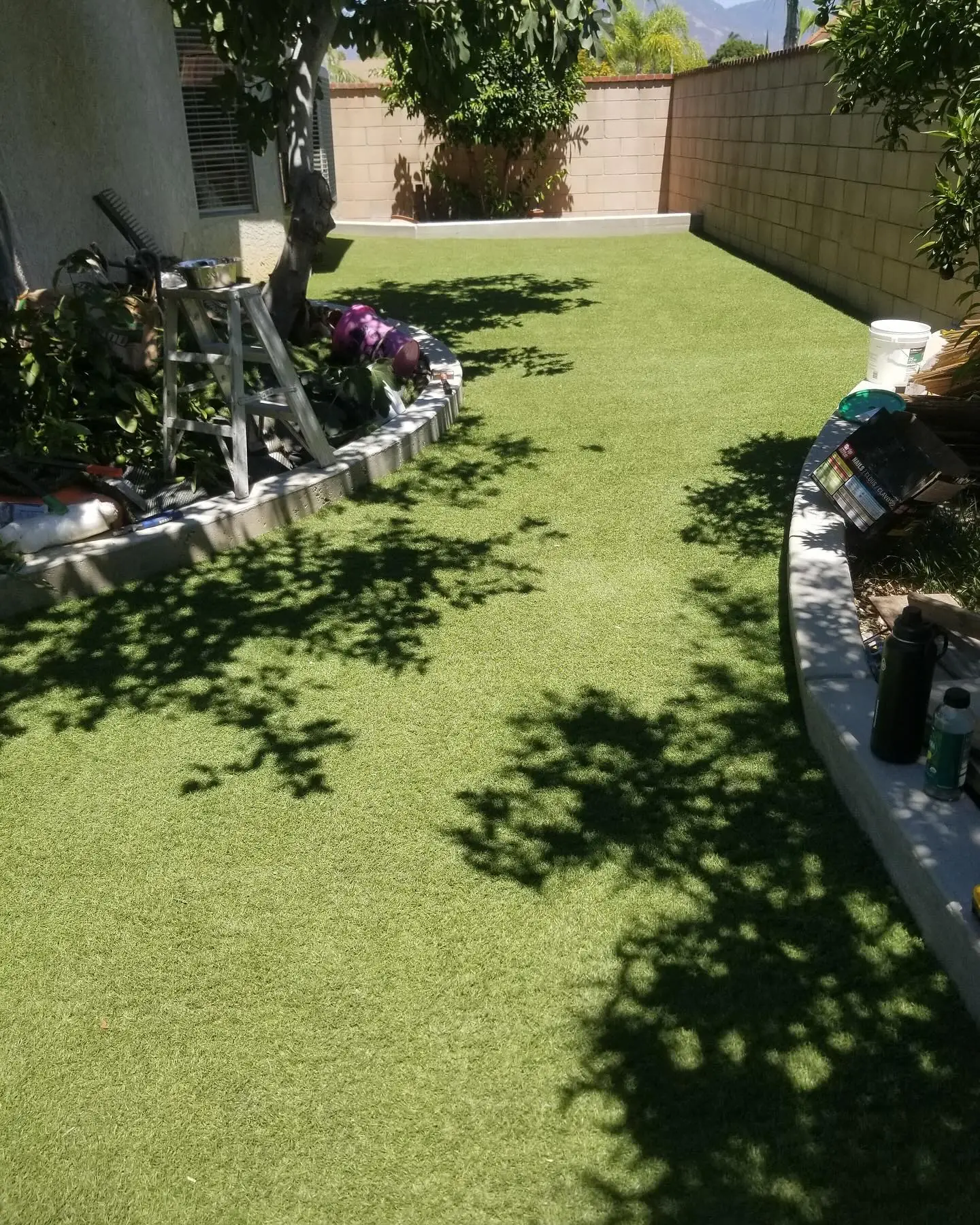
| Artificial turf | Spring through fall | Ground must be workable for base grading |
| Interior remodels | Year-round | Winter is a great time for indoor work |
Booking and lead time
Here's the part that catches people out: the demand curve and the weather curve peak at the same time. Everyone wants their patio or fence done in summer, so the calendar for a short season fills quickly. The homeowners who reach out in late winter and early spring get the best scheduling; those who call in July are often looking at fall or even next year for larger concrete work.
If your project is exterior and you're in an HOA neighborhood — which covers much of Parker — build in extra lead time for architectural (ACC) approval before work can start. That review can take a few weeks, and it's smart to have it done well before your build window opens. We can help you prep the submittal.
Why planning early pays off
Beyond getting a good slot, planning early means material selections, permits, and HOA approvals are handled before the first day of work — which is exactly what keeps a project on schedule once it starts. It also gives you room to pair projects sensibly: pouring a patio extension and installing a new fence or turf with a concrete curb in one coordinated season, so the grading and drainage all work together. If you're weighing a decorative finish, our stamped concrete patio guide covers that decision.
Planning an outdoor project for this season?
Mountain Ridge Renovations LLC pours concrete and builds fences, turf, and patios across Parker and south Denver. Get on the calendar early — reach out for a free estimate and we'll help you plan the timing.
Schedule a Free EstimateTiming FAQs
What is the best month to pour concrete in Colorado?
Late spring through early fall is the sweet spot along the Front Range, roughly May through September, when daytime temperatures are moderate and overnight lows stay above freezing. That lets concrete cure at a steady rate. Mid-summer pours are fine but need extra attention to curing in the heat and dry air.
Can you pour concrete in winter in Colorado?
It's possible with cold-weather measures like heated blankets, insulated forms, and mix adjustments, but it adds cost and risk. Concrete that freezes before it gains strength can be permanently weakened, so for most homeowners we recommend waiting for the spring-through-fall window.
When should I book an outdoor project to get it done this year?
Reach out in late winter or early spring. The outdoor building season is short and books up quickly, so homeowners who call in February and March get the best spots. If you also need HOA architectural approval, start even earlier, since that review can take a few weeks.
Is fall a good time for fences and turf in Colorado?
Yes. Fall is one of the best windows for fences and artificial turf — the ground is still workable, temperatures are comfortable for crews, and you avoid the peak-summer rush. As long as the work finishes before the ground freezes hard, fall is an excellent time.