
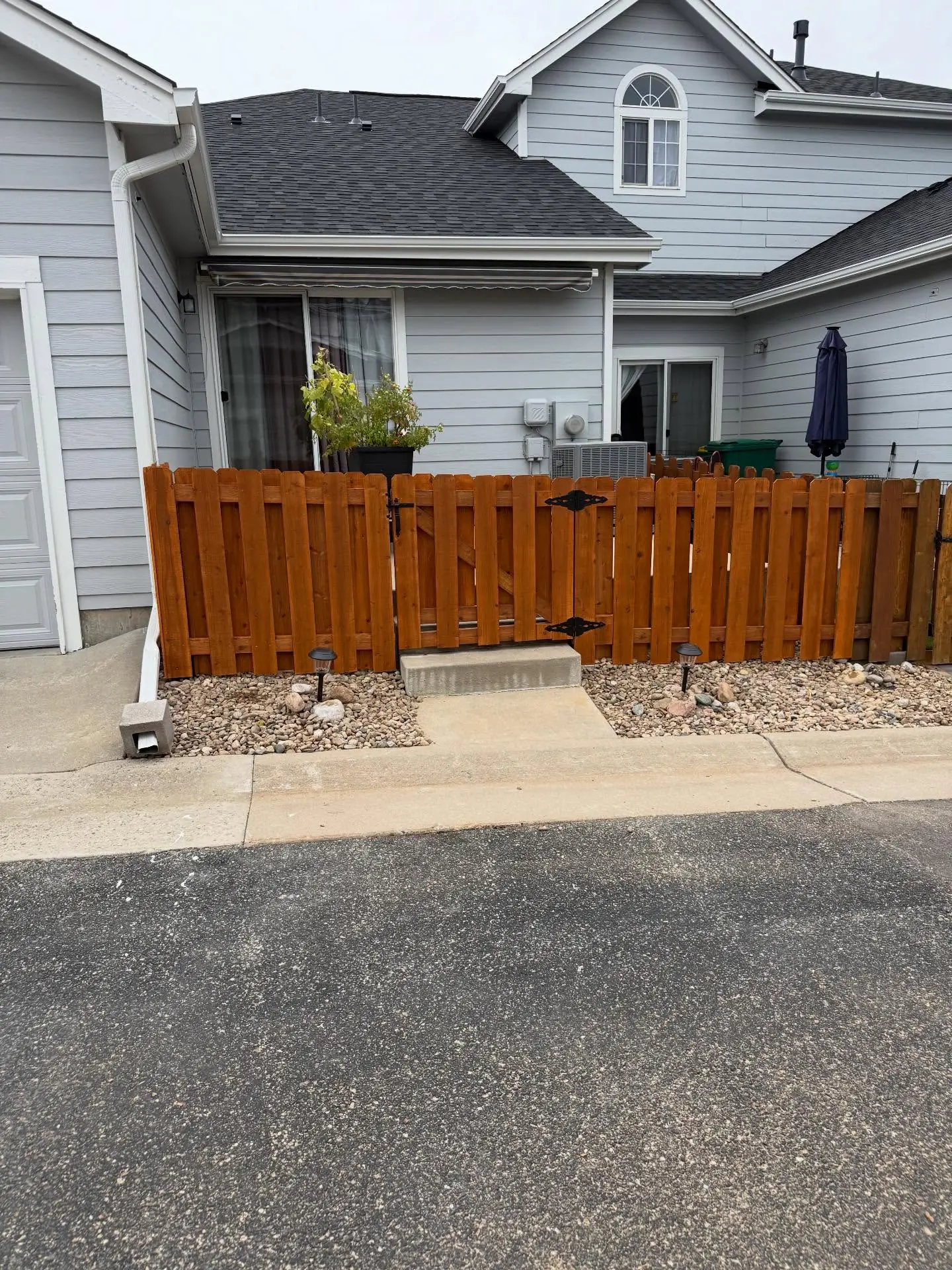
- New fencing generally runs $25–$60 per linear foot, mostly driven by material and height.
- Posts should be set below the frost line — often around 30–36 inches, confirmed for your address — so they don't heave.
- Our wind exposure makes post depth, spacing, and solid privacy panels a real engineering choice, not an afterthought.
- Confirm HOA approval, any permit, and your property lines/setbacks before the first post goes in.
Privacy, picket, or ranch: choosing a style
Start with the job the fence needs to do, because that decides the style. A privacy fence — solid vertical boards, usually six feet — blocks sightlines and wind, and it's the most common request for backyards. A picket fence is lower and spaced, better for defining a front yard, containing a small dog, or keeping an open feel. A ranch or split-rail style marks a boundary on larger lots without closing off the view, which suits Parker's more open properties.
Most homeowners land on privacy fencing for the backyard and something lighter out front — and often an HOA has a say in which styles are allowed. It's worth deciding the goal first, because a solid privacy panel and an open picket line behave very differently in our wind.
Posts, frost line, and wind load
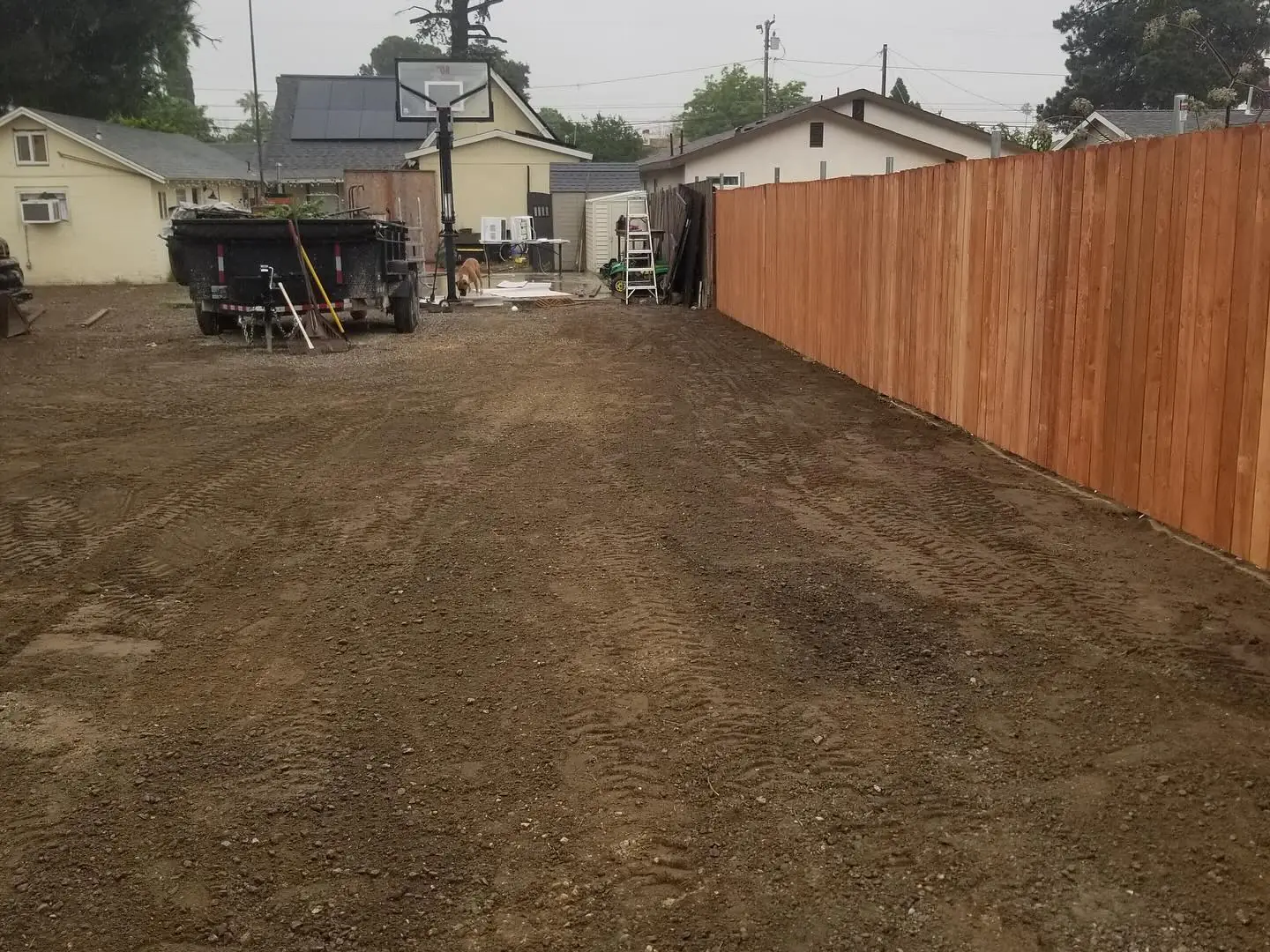
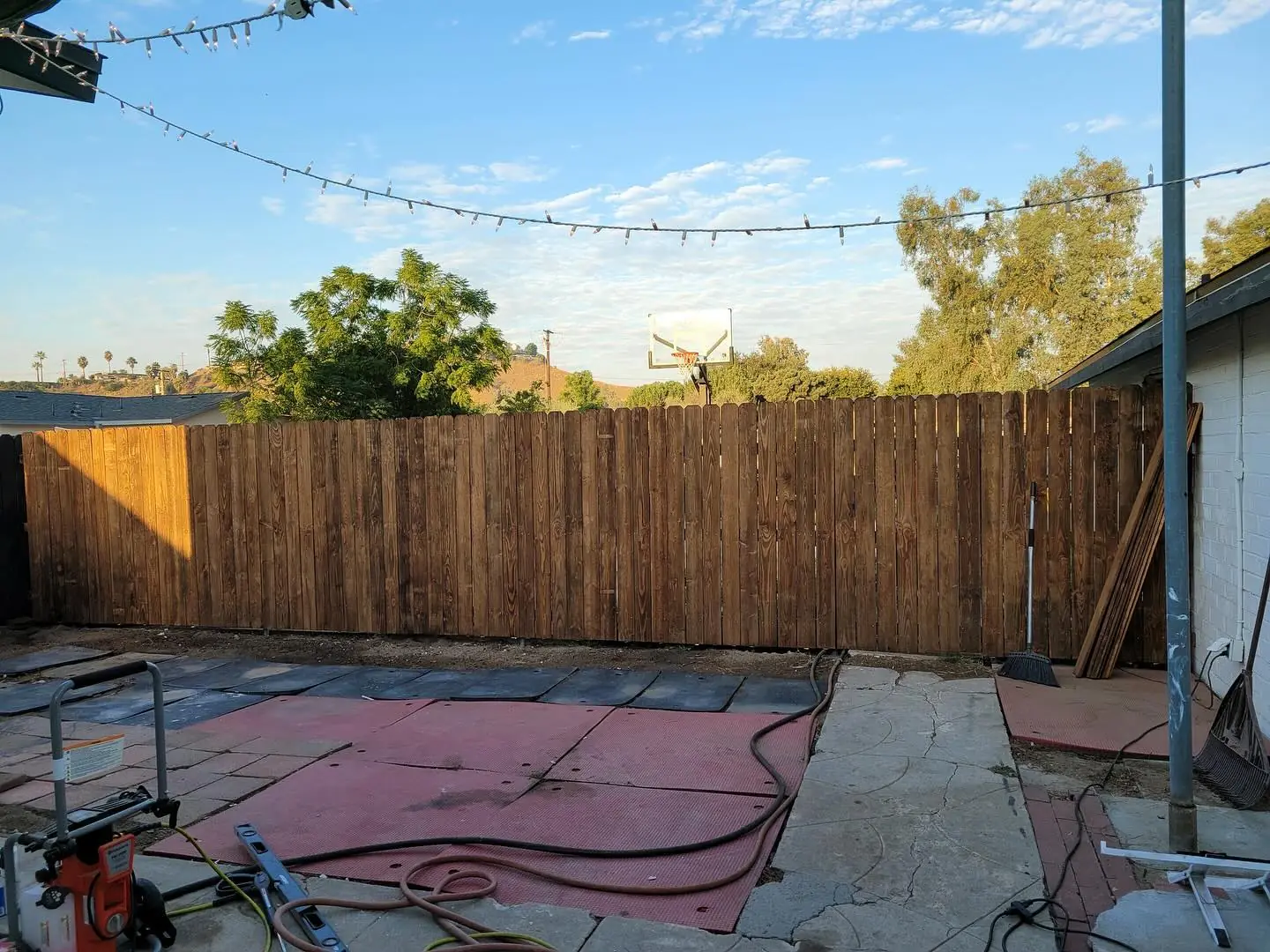
The posts are the fence. Everything else hangs off them. In Colorado, two forces work against a shallow post: freeze-thaw heave and wind. Our expansive clay soils swell and lift when they freeze, so posts need to be set below the local frost line — often around 30 to 36 inches, though you should confirm the depth for your address — and set in concrete with the hole shaped so water drains away rather than pooling at the base.
Wind is the other half. The Front Range gets strong, gusty winds, and a six-foot solid privacy panel is essentially a sail. That means posts set deep enough, spaced correctly, and often a heavier post at gate and end locations. Cutting corners on post depth or spacing is the single most common reason a fence starts leaning after a couple of seasons.
Setting posts that stay put
We dig below frost, set posts plumb in concrete, and let them cure before hanging rails and pickets. On exposed lots we'll tighten post spacing or upsize posts so the run can take a gust without racking. It's slower up front and it's the reason the fence still stands straight years later.
Gates and grade changes
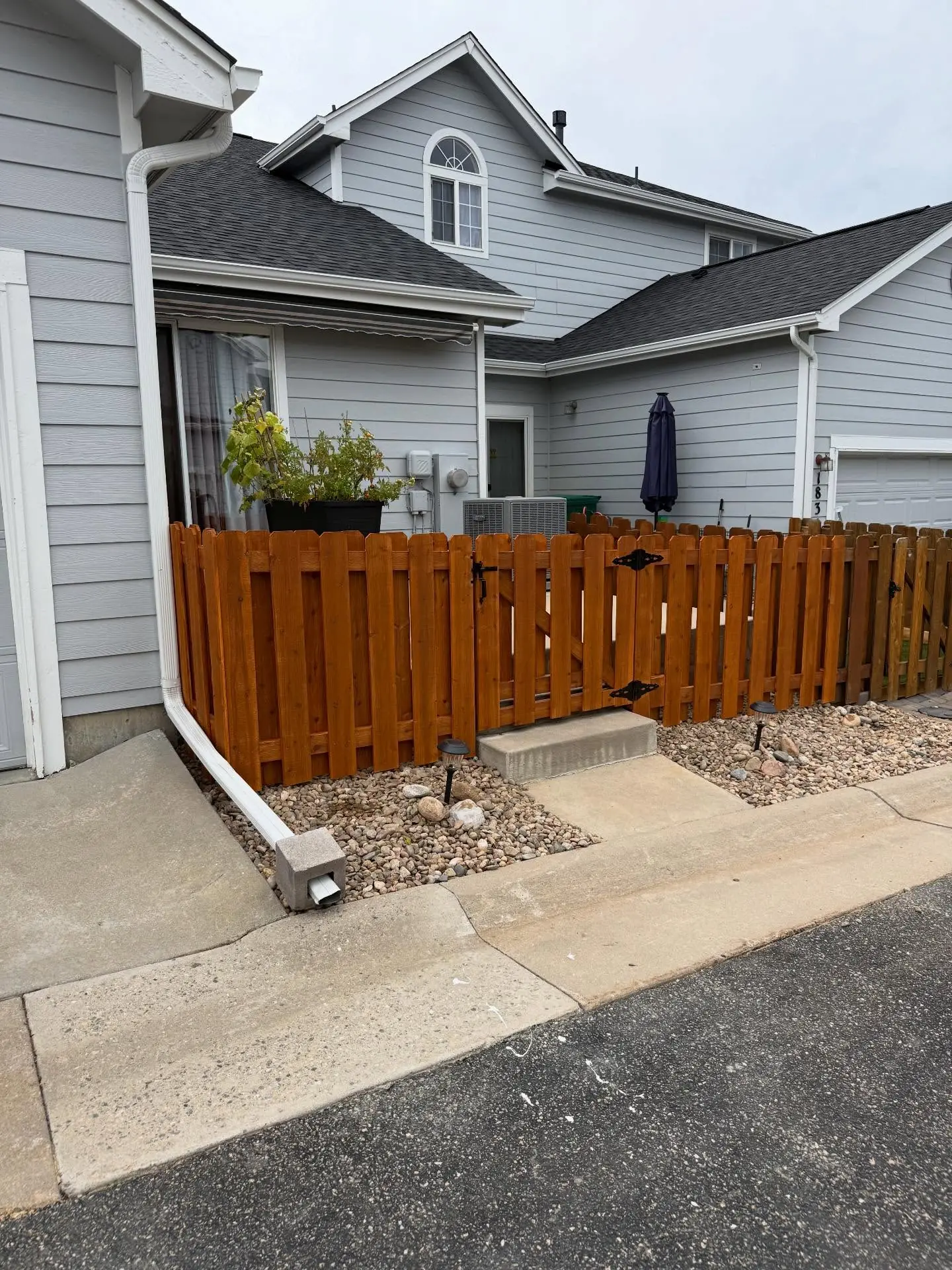
Two things separate a clean fence from an awkward one: gates and grade. A gate takes more abuse than any other part of the fence, so it needs a solid, well-anchored post, proper hardware, and a little diagonal bracing so it doesn't sag and drag. Skimp here and the gate is the first thing to fail.
Sloped yards are common around Parker, and there are two honest ways to handle a grade change: step the fence down in level sections for a crisp look, or rack the panels to follow the ground for a continuous line with no gaps underneath. Which one fits depends on the slope and the style — we'll walk the line with you and lay it out before we dig.
Materials for the Front Range
Cedar is the workhorse of Front Range fencing: it looks good, resists rot better than cheaper woods, and handles our dry air well when it's sealed and re-sealed on a schedule. Left bare, our intense high-altitude UV will gray and dry any wood faster than you'd expect, so a finish plan is part of the decision, not an extra.
Metal and vinyl options cost more up front but ask for far less maintenance — a fair trade if you don't want to re-stain every few years. The right material comes down to your goal, your budget, and, again, what your HOA allows. If you're pairing a fence with a low-maintenance yard, it often makes sense to plan it alongside artificial turf so the whole space gets done at once.
HOA approval, permits & property lines
This is the step people most often skip and most regret. Three things to confirm before anyone digs:
- HOA approval. Many Parker and Douglas County neighborhoods review fence height, style, and material through an architectural (ACC) committee. Submit and get sign-off first.
- Permit. The Town of Parker or Douglas County may require a permit depending on your address and the fence. Confirm with the local building division.
- Property lines and setbacks. Know exactly where your line is — confirm locally, and locate utilities before digging. Building on a neighbor's land or over an easement is an expensive mistake to undo.
A good contractor helps you navigate all three. For a related take on privacy without overbuilding, see our privacy wall and fence upgrade guide, and for timing your outdoor project, our best time for concrete and outdoor projects in Colorado guide.
What a fence costs near Parker
Here are honest planning ranges for the Parker and south Denver market. These are general figures, not a quote — the real cost depends on material, height, gates, grade, and how hard the digging is.
| Style | Typical range | Notes |
|---|---|---|
| Fence, installed | $25–$60 / linear ft | Material and height drive most of the cost |
| Privacy (cedar) | Higher end of range | Solid six-foot panels, more material and wind bracing |
| Picket / ranch | Lower end of range | Open, lower profile, less material |
| Gates & grade work | Add-on | Hardware, bracing, stepping or racking on slopes |
Want it handled end to end? Our fence installation service page covers styles, materials, and the approval process, and every project starts with a free on-site estimate.
Planning a fence in Parker?
Mountain Ridge Renovations LLC builds privacy, picket, and ranch-style fences for Parker and south Denver homeowners — posts set below frost, wind-ready, with the HOA and property-line details handled.
Schedule a Free EstimateFence FAQs
How much does a new fence cost in Parker, CO?
A new fence generally runs about $25 to $60 per linear foot in the Parker and south Denver area, depending mostly on material and height. Cedar privacy fencing sits toward the higher end, while simpler ranch or picket styles cost less. Gates, grade changes, and hard digging can add to the total, so an on-site estimate is the only accurate figure.
How deep should fence posts be set in Colorado?
Fence posts should be set below the local frost line so they don't heave with our freeze-thaw cycles — often around 30 to 36 inches, but you should confirm the depth for your address. Posts are typically set in concrete with the hole shaped so water drains away from the post rather than pooling around it.
Do I need HOA approval or a permit to build a fence in Parker?
Often yes on both. Many Parker and Douglas County neighborhoods have an HOA that reviews fence style, height, and materials, and the Town of Parker or the county may require a permit. You also need to know your property lines and any setbacks. Confirm all three — HOA, permit, and property lines — before the first post goes in.
What is the best fence material for the Front Range?
Cedar is a popular, good-looking choice that handles our dry climate well when it's sealed and maintained. Metal and vinyl options trade a higher upfront cost for lower upkeep. The best material depends on your goal — privacy, containment, or looks — your budget, and your HOA's approved styles.