
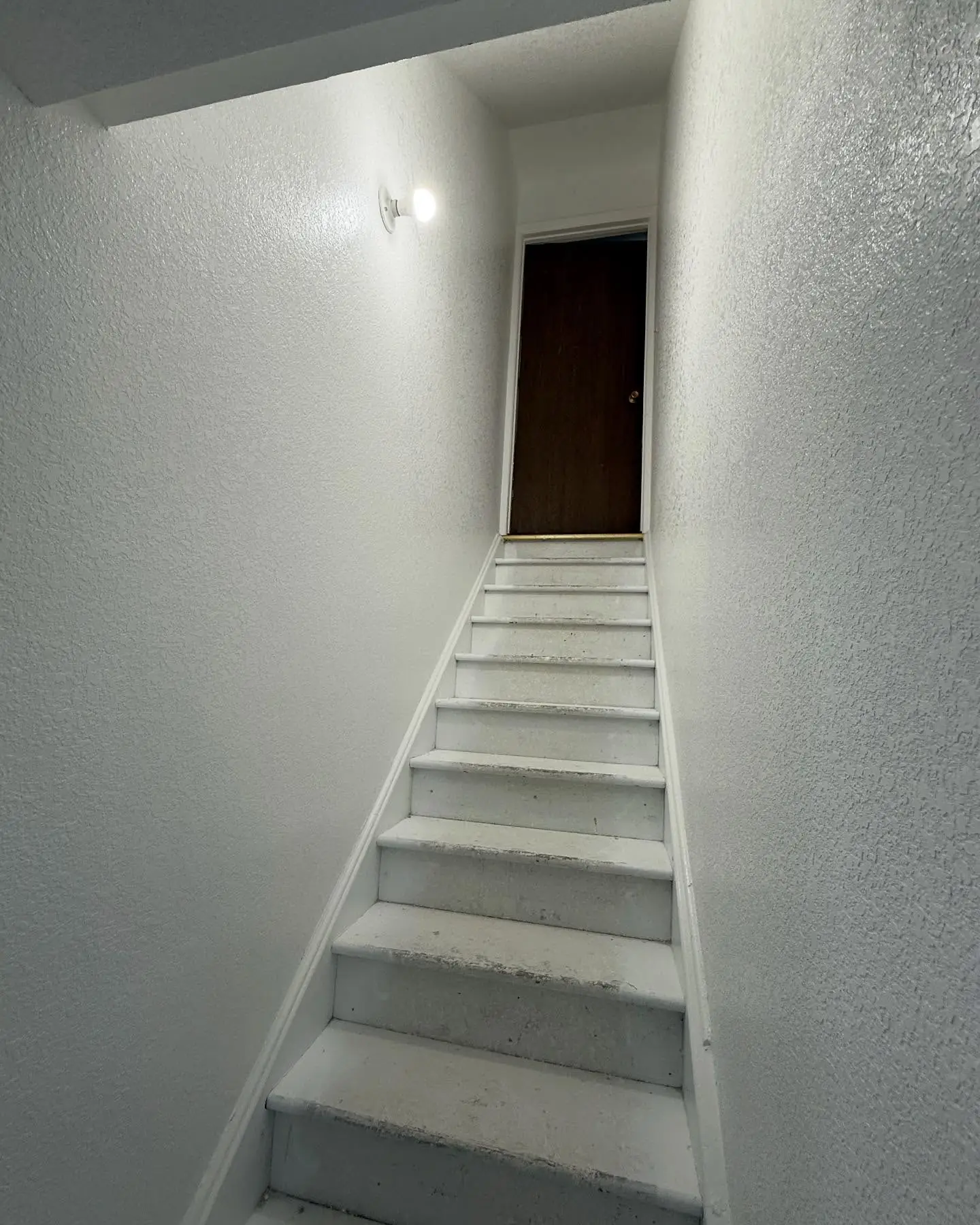
- Turn your running punch list into one written scope before you call — it gets you a better estimate.
- Most common repairs are drywall, trim, doors, flooring, and small exterior fixes.
- A repair becomes a remodel the moment it changes the layout or moves plumbing/electrical.
- Bundling small jobs into one visit almost always saves money and trips.
Turn a punch list into a scope
Almost every homeowner has a mental list of little things that never got done. The trouble is that a list living in your head is hard to price and easy to forget. The single most useful thing you can do before calling a contractor is write it all down in one place — room by room, item by item.
A clear list does two things. It lets a contractor group the work sensibly instead of making a separate trip for each item, and it gives you a real estimate instead of a vague "we'll see when we get there." You don't need contractor language — plain descriptions like "hallway drywall has a big crack" or "back bedroom door won't close" are exactly what we want.
Common home repairs we see
Across Parker and Douglas County, most repair calls fall into a handful of buckets. Knowing these helps you group your own list.
Drywall and paint
Cracks at corners, nail pops, water stains, holes from old fixtures, and settling cracks. Good drywall repair isn't just patching — it's matching the surrounding texture and paint so the fix disappears. Our dry, high-altitude climate can make older paint chalk and caulk shrink, so touch-ups are common.
Trim, doors, and interior carpentry
Baseboard and casing that pulled away, doors that stick or won't latch, cabinet and closet adjustments, and missing trim from a past project. Seasonal humidity swings on the Front Range move wood, so doors and trim drift over time.
Flooring
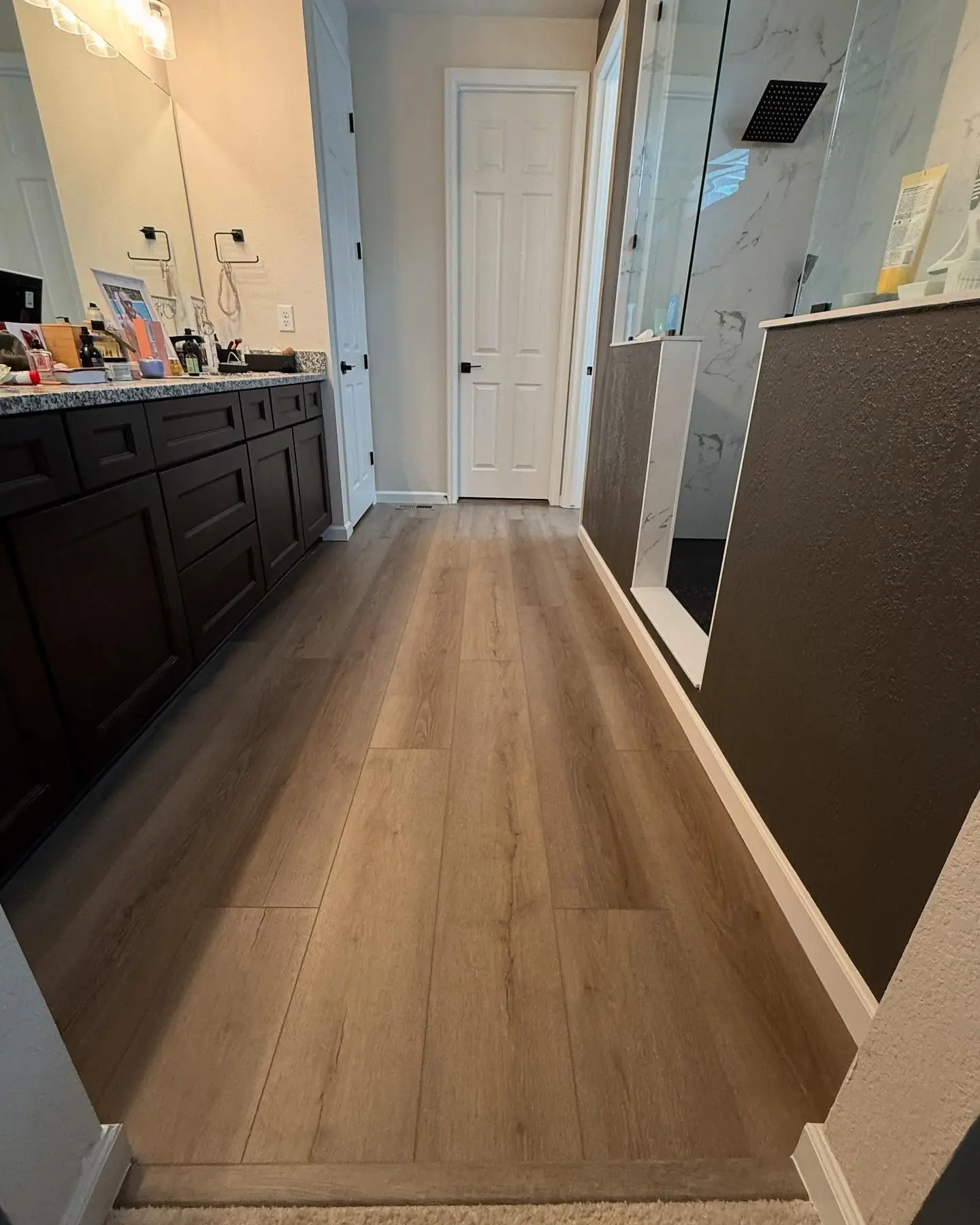
Loose or damaged planks, transitions that never got finished, and squeaky spots. Sometimes a flooring repair is the nudge to just replace the room's floor — see our LVP flooring guide if you're weighing that.
Small exterior fixes
Trim and siding touch-ups, a section of fence, a step or slab that's heaving. Anything exterior gets extra attention here because our freeze-thaw cycles and intense UV are hard on materials — and because HOA neighborhoods often review exterior changes.
When a repair becomes a remodel
There's a line where "fix it" turns into "redo it," and knowing where that line sits saves everyone time. A repair restores what was there. It becomes a remodel the moment the work starts changing what was there — moving a wall, relocating plumbing or electrical, or replacing a whole room's finishes at once.
That distinction matters because remodels can trigger permits and should be scoped and estimated differently. If your "repair" list is really "I want this room to feel new," it's worth planning it as a small remodel from the start. Our Parker home renovation guide walks through that shift, and our permit guide covers when approvals come into play.
How to bundle small jobs
Bundling is where you save real money. Every visit has fixed setup and travel time, so grouping several small jobs into one scheduled block spreads that cost across all of them. A contractor can also sequence the work — patch and prime early so paint has time to dry, adjust doors after flooring is set, and so on.
The practical move: write the full list up front and share it all at once, rather than adding "oh, one more thing" after work starts. It lets us plan the right materials and time, and it keeps the whole visit efficient.
What to photograph and send
Photos turn a fuzzy phone call into a real estimate. For each item on your list, send:
- A wide shot of the room or area so we see context
- A close-up of the actual damage or problem
- Anything nearby that's related — a stain above a crack, water near a floor issue
- A quick note on what's bugging you and how you'd like it to end up
With that, we can usually talk through scope and a realistic budget on the first call instead of guessing.
What home repairs cost
Repair pricing is honestly a "depends on scope" answer, and anyone who quotes a flat number sight-unseen is guessing. Small punch-list items are modest; the cost climbs once work touches structure, plumbing, electrical, or a larger area, at which point it starts to look like remodel pricing. For a fuller picture of remodel-scale budgets, see our Parker home remodel cost guide. The fastest path to a real number is a written list plus photos so the work can be scoped accurately. We handle repairs and larger projects through our home remodeling service.
Have a list of home repairs to knock out?
Mountain Ridge Renovations LLC handles repair lists and larger projects across Parker and Douglas County — drywall, trim, doors, flooring, and finish work, with clear scope and honest estimates.
Schedule a Free EstimateHome repair FAQs
What's the difference between a handyman and a home repair contractor?
A handyman is great for one-off small fixes. A home repair contractor is the better fit when you have a list of jobs, when repairs touch framing, plumbing, or electrical, or when a repair might turn into a small remodel. A contractor can scope the whole list, pull permits when needed, and stand behind the finished work.
How much do home repairs cost in Douglas County?
Home repair cost depends entirely on scope, so there is no flat number. Small punch-list items are modest; once repairs touch structure, plumbing, electrical, or a larger area, they move toward remodel pricing. The most useful step is to send photos and a written list so the work can be scoped and estimated accurately.
Can I bundle several small repairs into one visit?
Yes, and bundling usually saves money. Grouping drywall patches, trim, door adjustments, and minor fixes into a single scheduled visit reduces trips and setup time, and it lets a contractor sequence the work efficiently. Write the full list up front rather than adding items one at a time.
When does a home repair become a remodel?
A repair becomes a remodel when it moves past restoring what was there and starts changing it — moving a wall, relocating plumbing or electrical, or replacing a whole room's finishes. At that point permits may apply and the project should be scoped and estimated like a remodel rather than a quick fix.