
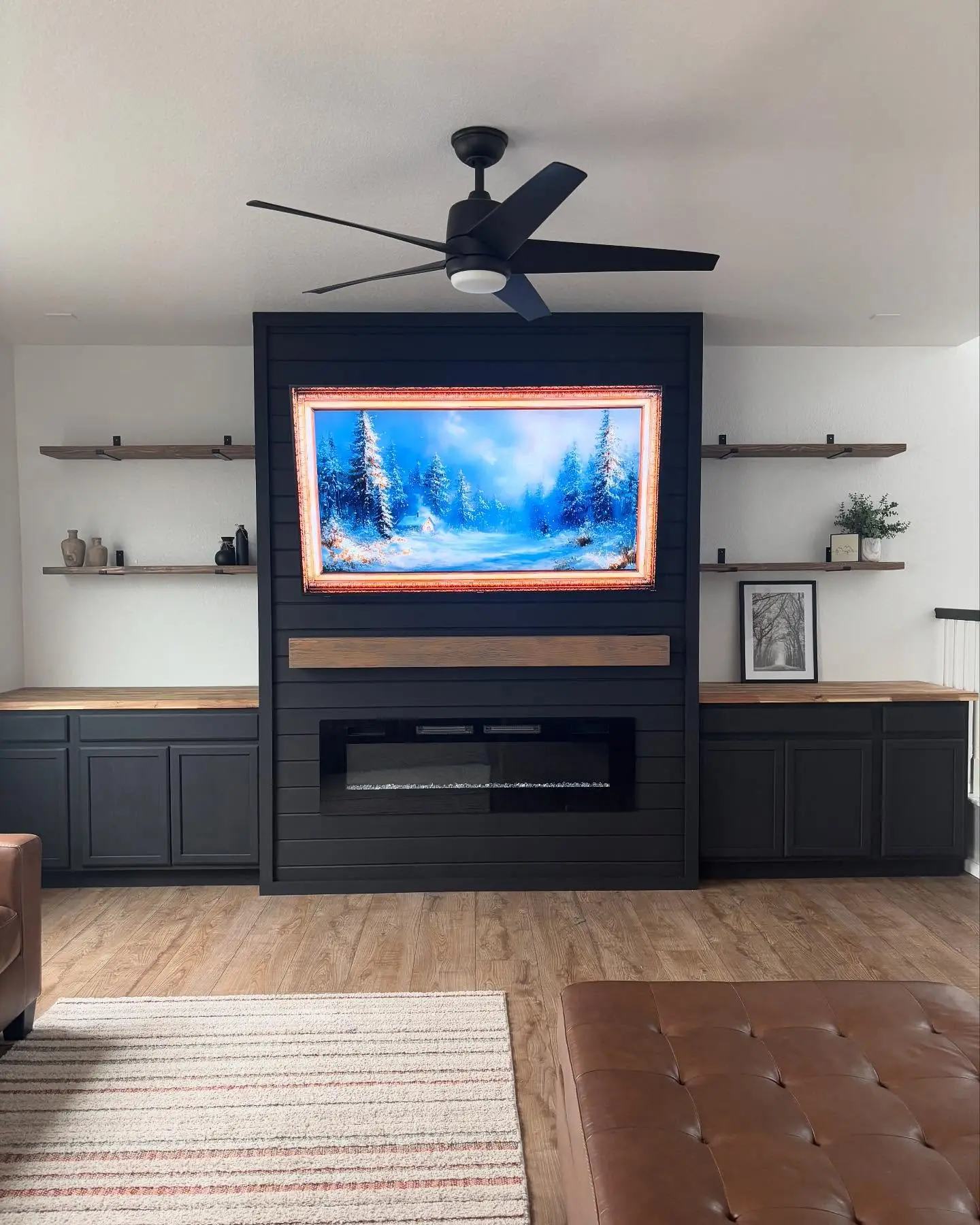
- Custom built-ins and a fireplace wall generally run $4k–$15k+, depending on size and materials.
- Plan TV height and layout before framing — it's far cheaper than fixing it later.
- Good built-ins balance storage, symmetry, and trim so the wall reads as intentional.
- Most built-ins need electrical for the TV, outlets, and lighting — run it during framing.
Start with the wall and the TV
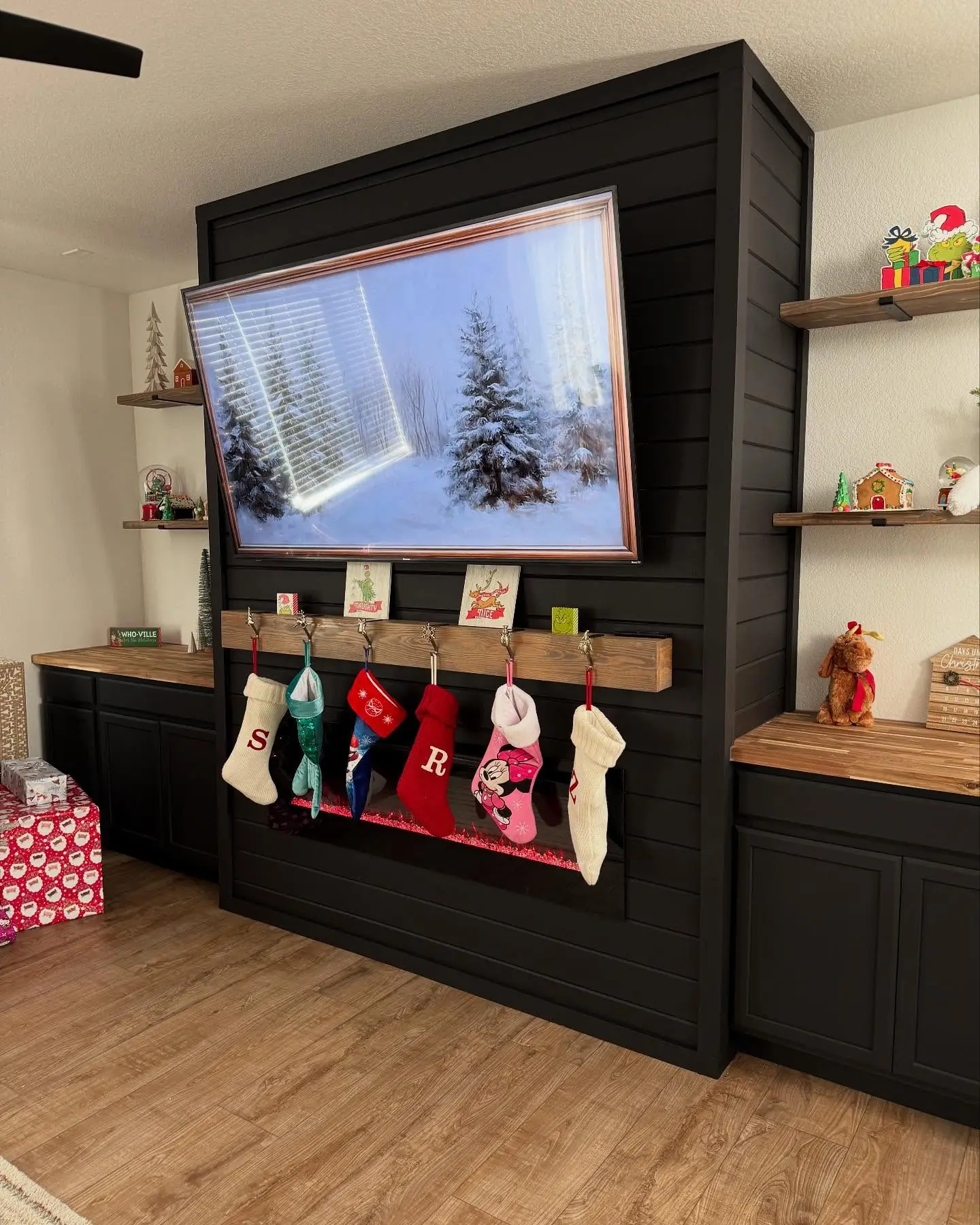
Before anything gets built, we look at the whole wall as one composition: the fireplace, the TV, and the built-ins on either side. The most common mistake is planning these separately and hoping they line up. They rarely do.
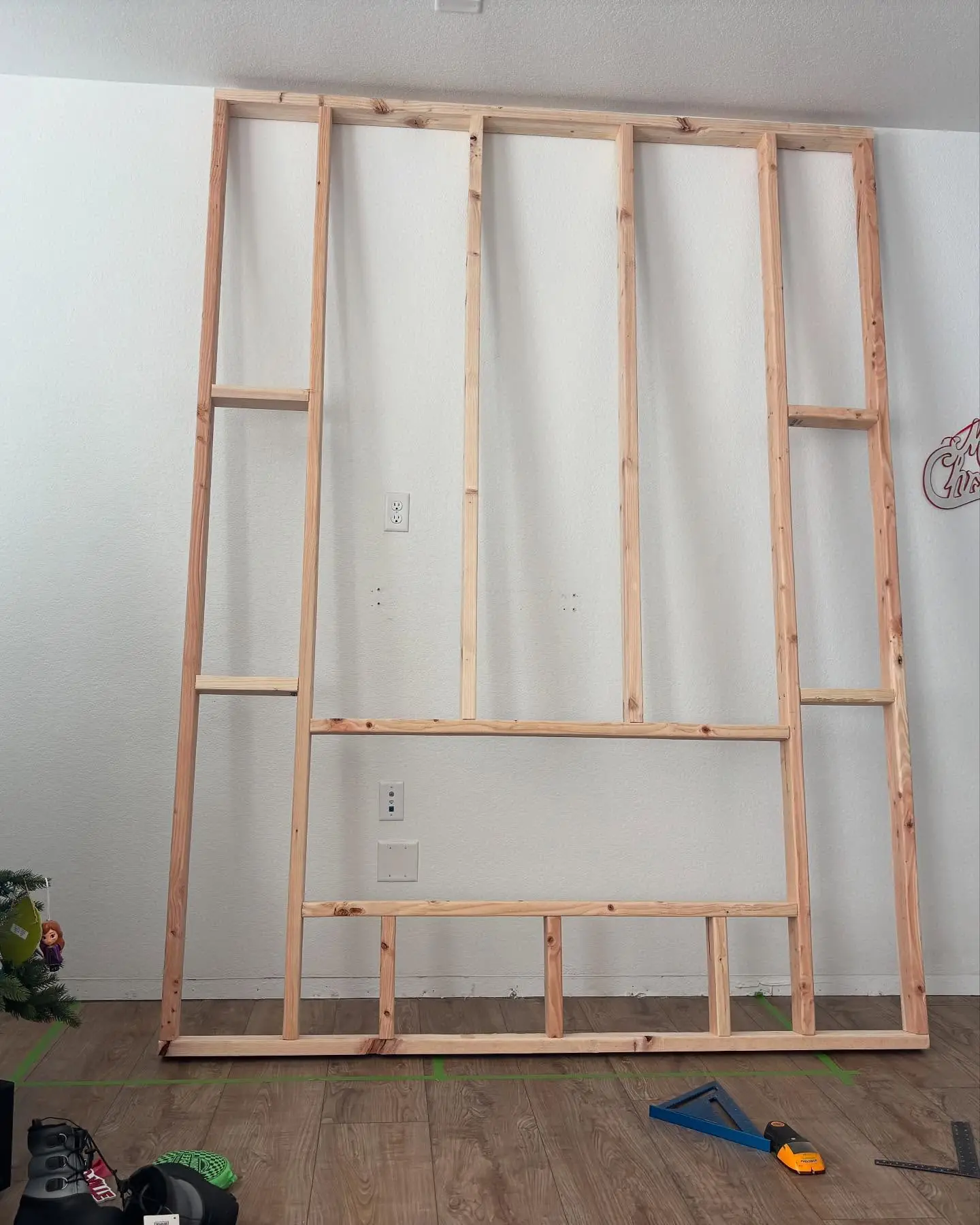
The TV drives a lot of the layout. For comfortable viewing, the center of the screen should land near seated eye level — which is often lower than people expect on a fireplace wall. If a tall mantel pushes the TV up too high, we look at a lower or floating mantel, a recessed niche for the screen, or a pull-down mount. Deciding this before framing is easy; changing it after the wall is built is not.
Storage, symmetry, and balance
Good built-ins do two jobs at once: they look great and they actually hold your stuff. We think through what's going in them — closed cabinets below for the things you don't want on display, open shelving above for books and decor, and space for media components with ventilation and cord access.
Balance is what makes the wall feel calm. Cabinets that flank the fireplace symmetrically, shelves that align across the span, and consistent reveals around the firebox all add up to a wall that reads as designed rather than assembled. Even an intentionally asymmetric layout works when the proportions are planned. This is the same eye for proportion we bring to a kitchen update.
Materials, trim, and finish
Material choice sets the whole tone. Painted MDF and poplar give a clean, modern look and take paint beautifully; stained wood reads warmer and more traditional. The fireplace surround adds another material decision — tile, stone, or a plaster-look finish — and it should relate to the cabinetry rather than fight it.
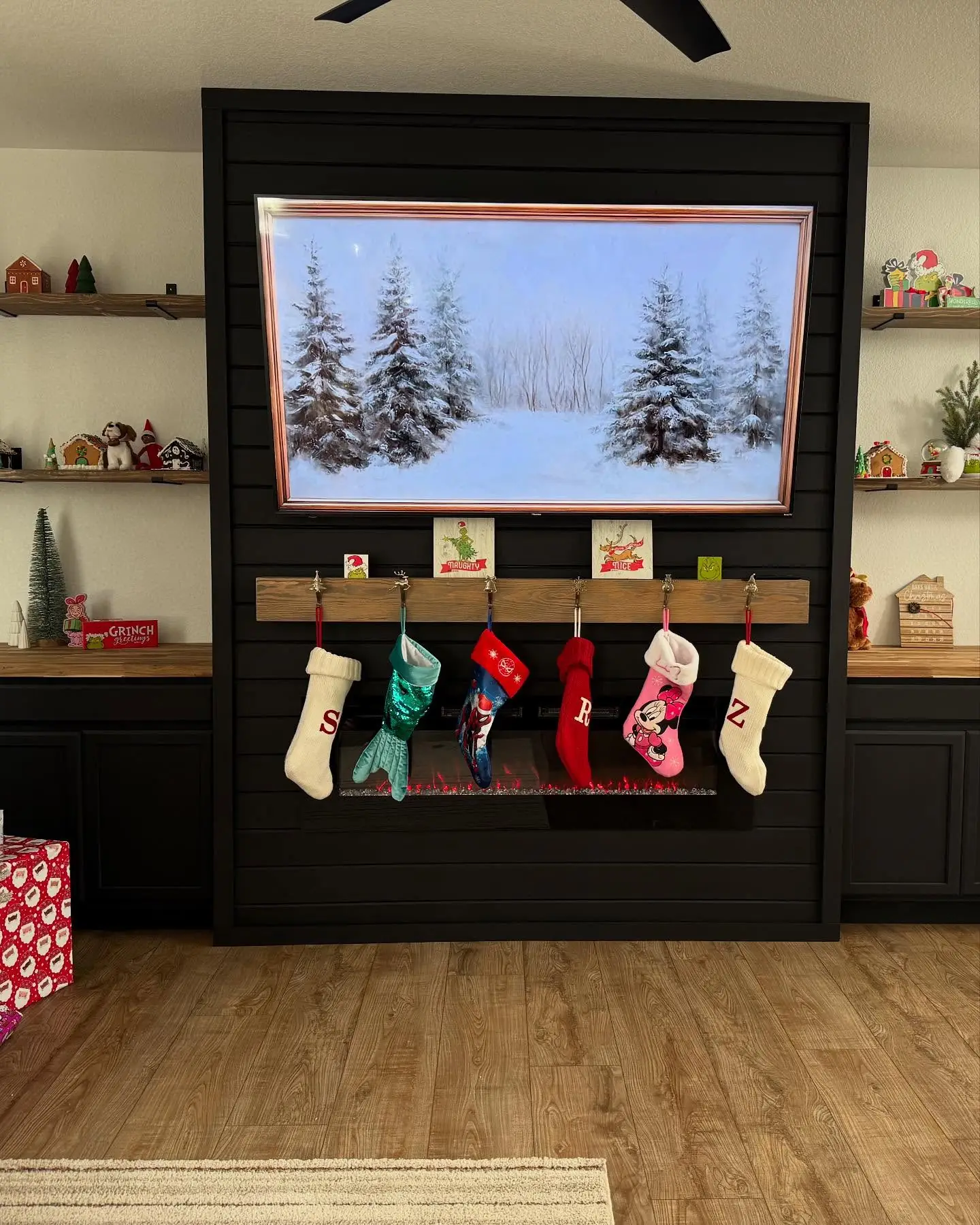
Trim is where the craftsmanship shows. Crown at the top, a substantial mantel, and clean scribe lines where cabinets meet the wall and ceiling are the details that separate custom built-ins from a big-box shelving unit. In our dry Colorado air, caulk and paint age a little faster, so tight joinery and quality finishes are worth it up front.
Electrical and the fireplace
Most built-ins need electrical, and running it early is what keeps the wall clean. That usually means a recessed outlet behind the TV so no cords show, in-cabinet power for media gear, and often accent or shelf lighting that makes the whole wall glow in the evening. If you're adding an electric fireplace insert, it needs its own dedicated circuit.
New circuits typically require a permit. Permitting is handled by the Town of Parker or Douglas County depending on your address — confirm the scope with the local building division before work begins. If your fireplace is gas, any work on the gas line or venting is its own licensed scope and gets confirmed locally too.
The start-to-finish process
Here's how a typical fireplace built-in project runs:
- Design and measure — confirm the layout, TV height, storage plan, and materials.
- Framing and blocking — build out the wall, add blocking for the TV and shelves, and set the fireplace opening.
- Electrical rough-in — run outlets, TV wiring, and lighting before anything is closed up.
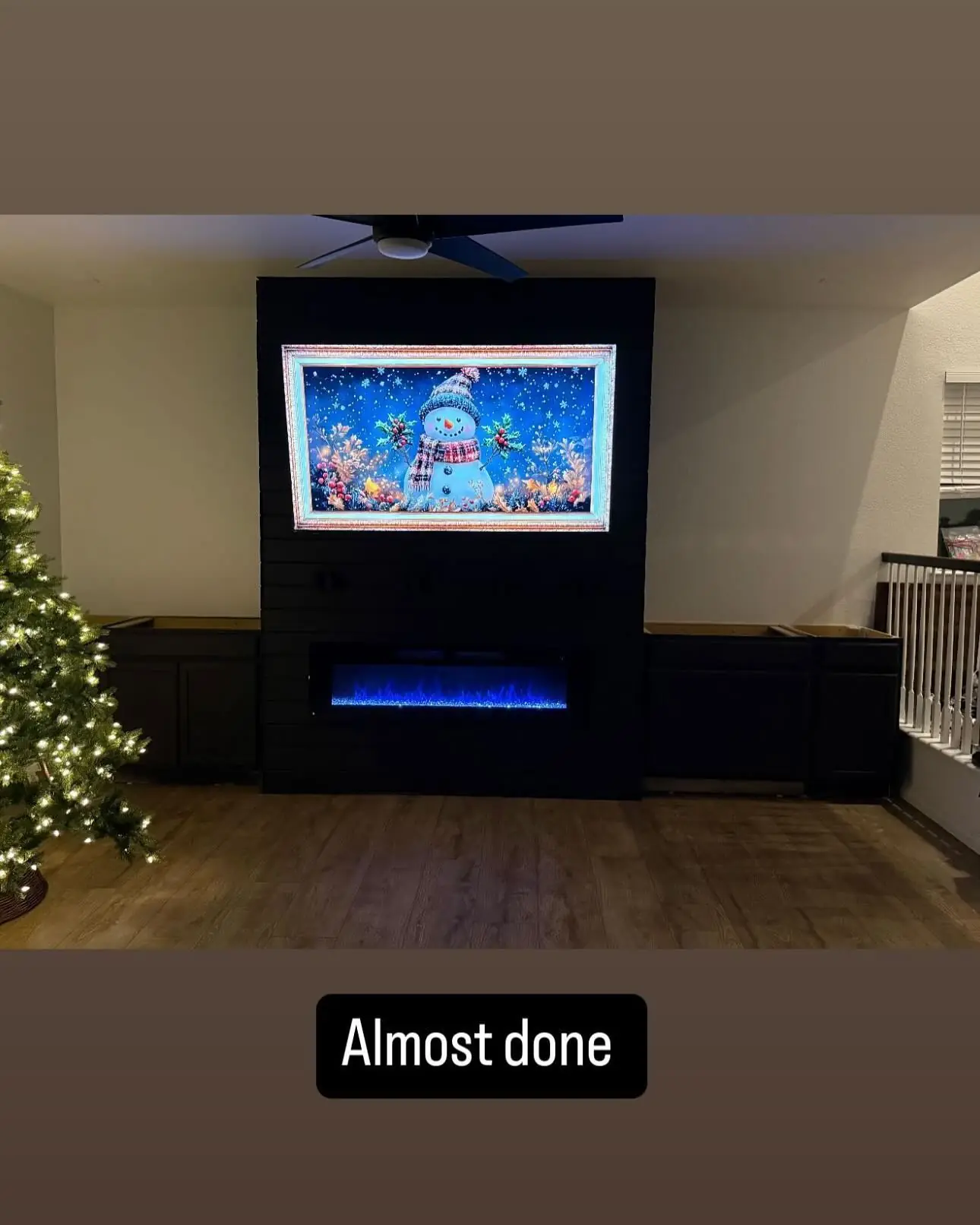
- Cabinetry and shelving — build and install the boxes, shelves, and fireplace surround.
- Trim and finish — crown, mantel, scribe work, then caulk, prime, and paint.
Design decisions made early keep every later step moving. It's the same disciplined sequence we follow on a full home remodel.
What fireplace built-ins cost
Here's an honest planning range for the Parker area. This is a general figure, not a quote — the accurate number comes from an on-site look at the wall and your design.
| Project level | Typical range | What it usually includes |
|---|---|---|
| Built-ins & fireplace wall | $4,000–$15,000+ | Cabinetry, shelving, trim, fireplace surround, electrical and lighting |
The biggest cost swings are the size of the wall, the material tier, how much cabinetry and custom trim is involved, and whether a new fireplace unit or significant electrical is part of the scope. For the bigger picture, see our Parker home renovation guide.
Planning fireplace built-ins in Parker?
Mountain Ridge Renovations LLC designs and builds custom fireplace walls and built-ins — cabinetry, shelving, trim, and lighting — with clean layouts and honest estimates across Parker and the south metro.
Schedule a Free EstimateFireplace built-in FAQs
How much do custom fireplace built-ins cost in Parker, CO?
Custom built-ins and a fireplace wall generally run about $4,000–$15,000 and up, depending on the size of the wall, the materials, how much cabinetry and shelving is involved, and whether electrical or a new fireplace unit is part of the job. These are general planning ranges; an on-site estimate is the accurate number.
How high should a TV be mounted over a fireplace?
Comfort comes first: the center of the screen should sit near seated eye level, which is often lower than people expect over a fireplace. If the mantel forces the TV too high, options include a lower or floating mantel, a recessed niche, or a pull-down mount. Planning the TV height before framing is far easier than fixing it after.
Do fireplace built-ins need electrical work?
Usually yes. Most built-ins include outlets for a TV and components, in-cabinet power, and often accent or shelf lighting, and an electric fireplace insert needs its own dedicated circuit. Running that wiring during framing keeps cords hidden and the wall clean. New circuits typically require a permit, so confirm the scope with the Town of Parker or Douglas County building division.
How long does a fireplace built-in project take?
A typical fireplace wall with built-ins takes roughly one to three weeks of active work, depending on the design, the materials, and any electrical or fireplace work. Custom cabinet and trim fabrication, plus paint and finish cure time, drive the schedule, so design decisions made early keep the project moving.